What Is Ultrasonic Speaker?
- Union Team Electronics
- 07 Jul ,2026
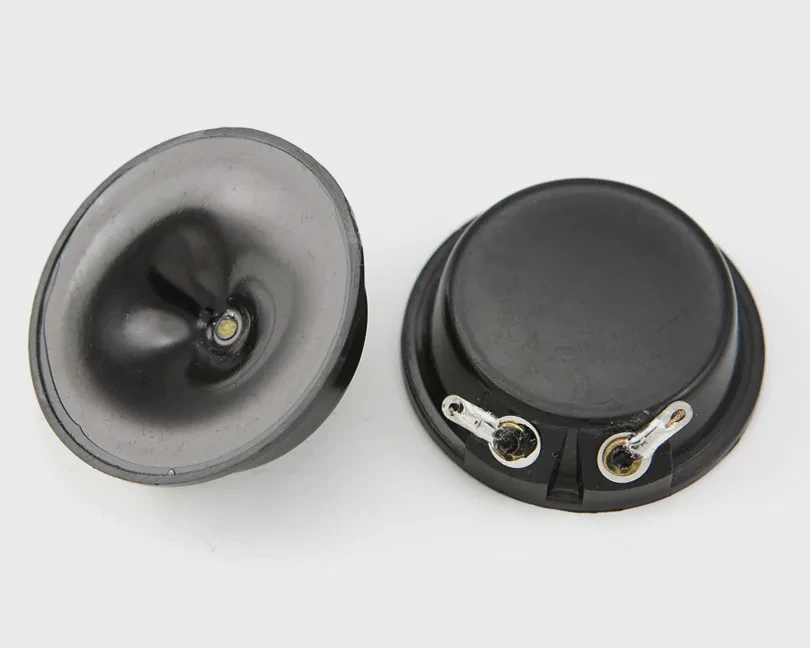
Many modern devices need smaller and smarter sound solutions. Traditional speakers cannot always meet special frequency and design requirements.
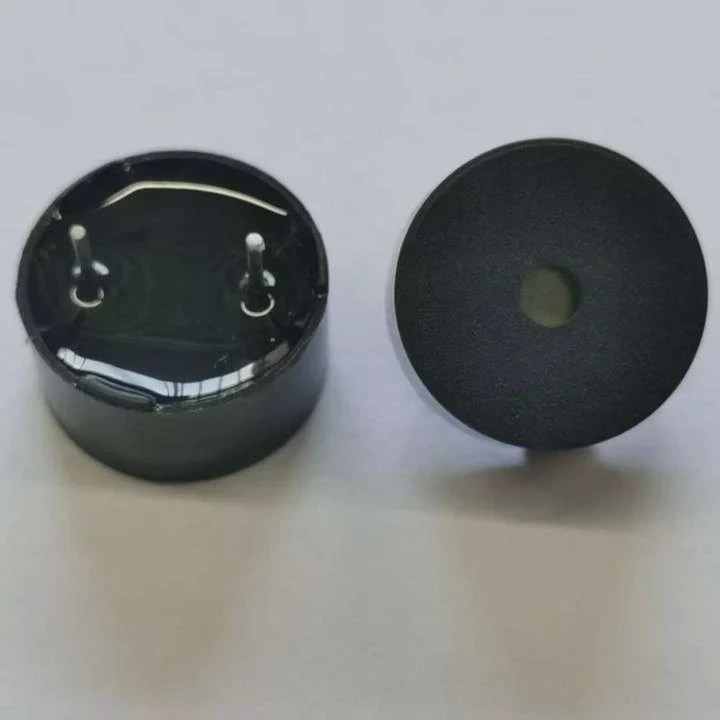
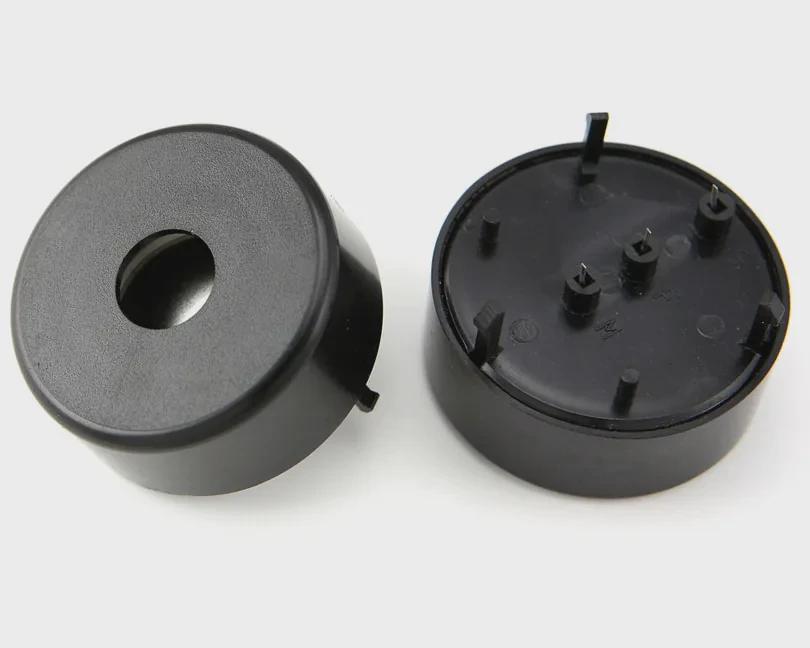
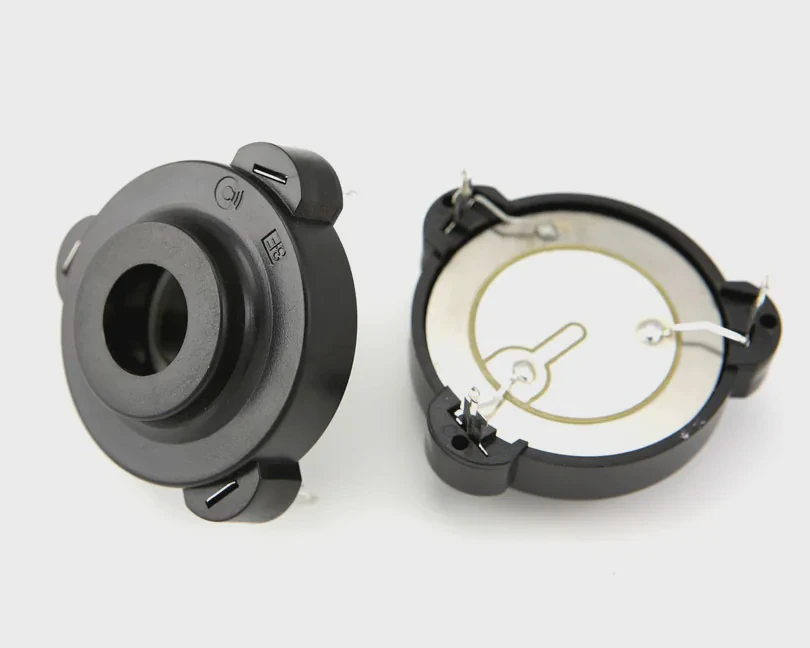
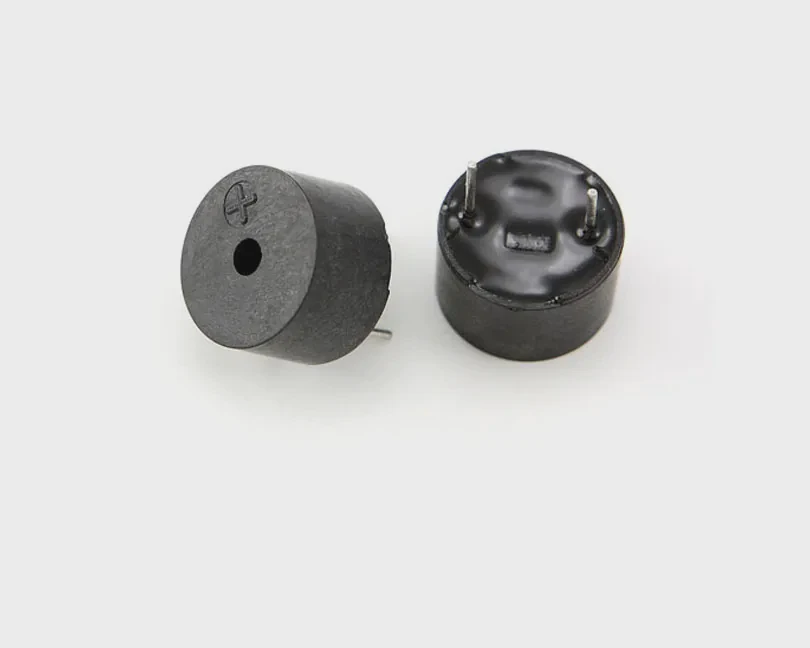
An ultrasonic speaker is an acoustic component that produces high-frequency sound waves beyond normal human hearing. It is used in sensing systems, smart devices, industrial equipment, and special electronic applications.
This article explains how ultrasonic speakers work, where they are used, how they are different from normal speakers, and what factors should be considered before choosing one.
How Does An Ultrasonic Speaker Work?
An ultrasonic speaker works by converting electrical signals into high-frequency mechanical vibration. The vibration creates ultrasonic sound waves that can be used for communication, detection, or special audio functions.
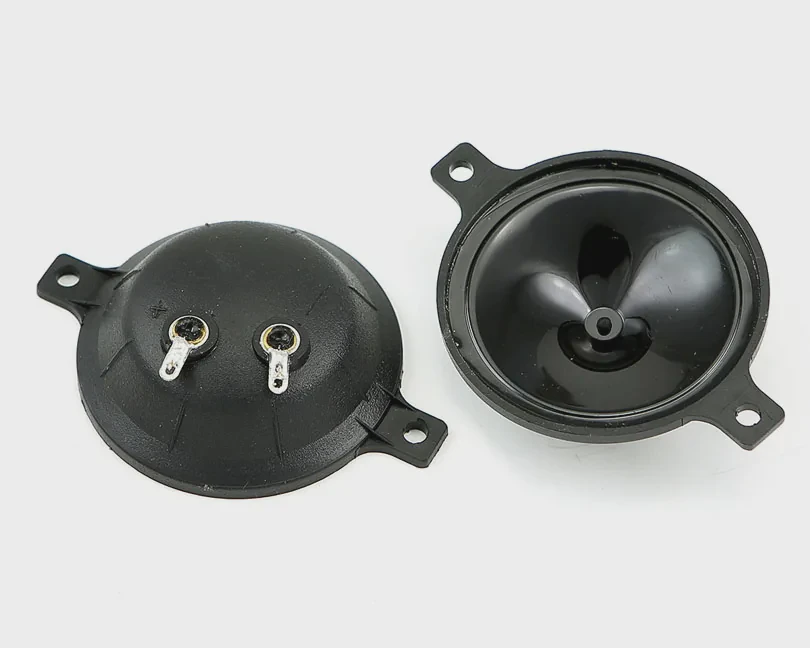
The working principle of an ultrasonic speaker is based on acoustic energy conversion. When an electrical signal enters the speaker, the internal material reacts and creates vibration. This vibration produces sound waves at a frequency that is usually above the human hearing range.
Many ultrasonic speakers use piezoelectric materials because these materials can quickly change electrical energy into mechanical movement. The fast vibration creates stable ultrasonic signals.
Basic Working Process
| Process Step | Description | Purpose |
|---|---|---|
| Electrical input | The system sends an electric signal | Provides energy for operation |
| Material vibration | Internal components create mechanical movement | Converts energy |
| Ultrasonic wave generation | Vibration creates high-frequency waves | Produces ultrasonic output |
| Signal transmission | Waves travel through the environment | Completes the function |
Role Of Piezoelectric Technology
Piezoelectric technology is an important part of many ultrasonic speakers. The material changes shape when voltage is applied. When the voltage changes quickly, the material vibrates at high speed.
This technology provides several advantages:
- Fast response
- Low power consumption
- Small structure
- High reliability
- Long operating life
For example, many compact electronic products have limited internal space. Engineers need acoustic components that can provide good performance without increasing product size.
Frequency And Performance
Frequency is one of the most important factors in ultrasonic speaker design. Different applications require different frequency ranges.
A higher frequency can help create accurate signals for specific systems. However, engineers also need to consider:
- Output strength
- Operating distance
- Environmental conditions
- Signal stability
When customers develop new products, I usually recommend testing the ultrasonic speaker in the real application environment. Laboratory data is important, but actual product conditions can affect final performance.
What Applications Use Ultrasonic Speakers?
Ultrasonic speakers are used in many industries because they provide unique sound technology. They can support applications that require high-frequency signals, accurate control, and compact designs.
Unlike traditional speakers that mainly focus on human hearing, ultrasonic speakers can support systems that use sound waves for detection, communication, and automation.
Common Application Fields
| Industry | Application | Main Requirement |
|---|---|---|
| Smart devices | Gesture control and sensing systems | Compact size and stable output |
| Industrial equipment | Detection and control systems | High reliability |
| Security systems | Alarm and monitoring devices | Fast response |
| Automotive electronics | Sensor systems and warning solutions | Durability |
| Medical equipment | Specialized monitoring devices | Accuracy and consistency |
Smart Electronics
Smart devices continue becoming smaller and more intelligent. Ultrasonic speakers can support advanced functions without taking much space.
Common examples include:
- Smart sensors
- Wearable devices
- Intelligent controllers
- Portable electronic products
In these products, size and power consumption are important. Engineers need components that can fit small designs while maintaining reliable performance.
Industrial Automation
Industrial systems often require accurate detection and communication. Ultrasonic technology can help machines identify objects, measure distance, or provide warning signals.
Industrial applications usually require:
- Stable operation
- Long service life
- Resistance to environmental changes
- Consistent quality
A small acoustic component can influence the whole system performance. This is why industrial customers often pay close attention to supplier quality control.
Automotive Electronics
Modern vehicles include many electronic systems. Acoustic components are becoming more important because vehicles need more information interaction.
Ultrasonic speakers can support automotive solutions such as:
- Warning systems
- Sensor-related applications
- Smart vehicle functions
Automotive projects usually have strict requirements. Products need to pass reliability testing and maintain stable performance during long-term use.
AI And Smart Equipment
AI devices are creating new opportunities for ultrasonic technology. Robots, smart terminals, and automated equipment may use ultrasonic signals for communication or sensing.
As technology develops, I believe ultrasonic speakers will continue to support more intelligent applications.
How Is An Ultrasonic Speaker Different?
An ultrasonic speaker is different from a traditional speaker because it focuses on high-frequency sound output and special application needs. The design, working frequency, and usage purpose are different.
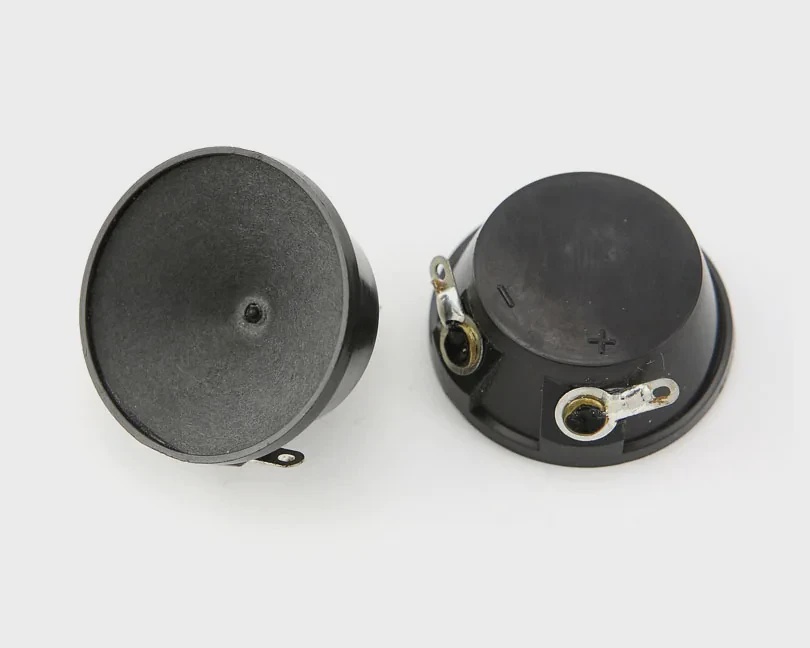
A normal speaker is mainly designed to produce audible sound for people. An ultrasonic speaker is designed to create high-frequency waves for systems, sensors, or special communication functions.
Comparison Between Ultrasonic Speaker And Traditional Speaker
| Feature | Ultrasonic Speaker | Traditional Speaker |
|---|---|---|
| Frequency range | High-frequency ultrasonic range | Human audible range |
| Main purpose | Detection, communication, special functions | Music and voice output |
| Structure | Usually compact and specialized | Designed for sound quality |
| Power requirement | Often low power | Depends on audio output needs |
| Application | Sensors, automation, smart devices | Audio products |
Different Design Goals
Traditional speakers focus on:
- Sound quality
- Volume level
- Human listening experience
- Audio frequency balance
Ultrasonic speakers focus on:
- Frequency accuracy
- Signal stability
- Small size
- System integration
This difference means engineers should choose based on the application goal.
A speaker used for music playback needs different features from a component used for industrial sensing. Selecting the wrong product can increase development problems.
Advantages Of Ultrasonic Design
Ultrasonic speakers provide several unique benefits:
Compact Structure
Many electronic products have limited space. Ultrasonic speakers can provide useful functions in small packages.
Accurate Signal Control
High-frequency signals can support precise system operations.
Lower Interference
Because ultrasonic frequencies are outside normal hearing range, they can reduce unnecessary sound disturbance in some applications.
Flexible Integration
Manufacturers can integrate ultrasonic speakers into different electronic systems.
When I communicate with customers, I often find that product designers first compare size and price. However, performance matching is also important. A suitable acoustic component should match the complete system design.
What Should You Consider Before Buying?
Choosing an ultrasonic speaker requires attention to technical requirements, product quality, and supplier capability. A correct choice can improve product reliability and reduce development risks.
Before purchasing an ultrasonic speaker, engineers should understand their application requirements. The cheapest option is not always the best option because acoustic performance affects the final product.
Key Selection Factors
Frequency Requirement
The first step is checking the required frequency range. Different applications need different ultrasonic performance.
Engineers should consider:
- Operating frequency
- Frequency stability
- Signal accuracy
- Application environment
Electrical Parameters
Electrical specifications affect system compatibility.
Important parameters include:
| Parameter | Importance |
|---|---|
| Rated voltage | Ensures correct power supply |
| Current consumption | Affects energy efficiency |
| Output level | Determines signal strength |
| Operating temperature | Shows environmental ability |
| Product lifetime | Indicates reliability |
Product Size And Installation
The mechanical design should match the final product.
Important points include:
- Mounting method
- Product dimensions
- Connector design
- PCB compatibility
- Housing requirements
A good design match can reduce assembly problems.
Supplier Capability
A reliable supplier should provide more than products. Technical support and production ability are also important.
A professional manufacturer should have:
- Engineering support
- Quality control system
- Testing equipment
- OEM/ODM capability
- Stable mass production ability
Customization Options
Many projects need customized ultrasonic solutions. Standard products may not meet every requirement.
Customization may include:
- Frequency adjustment
- Structure modification
- Size optimization
- Cable or terminal changes
- Performance improvement
Early communication between customers and suppliers can make product development faster.
I have seen that successful projects usually come from close cooperation. When customers share application details, suppliers can provide better solutions and avoid unnecessary changes during production.
Conclusion
Ultrasonic speakers provide special acoustic solutions for modern electronic systems. They offer high-frequency performance, compact design, and reliable operation. Choosing the right ultrasonic speaker helps manufacturers create better products.