What Is Self-drive Piezo Buzzer?
- Union Team Electronics
- 07 Jul ,2026
Many electronic products need small and reliable sound warning components. However, adding extra driving circuits can increase design difficulty, PCB space usage, and production costs.
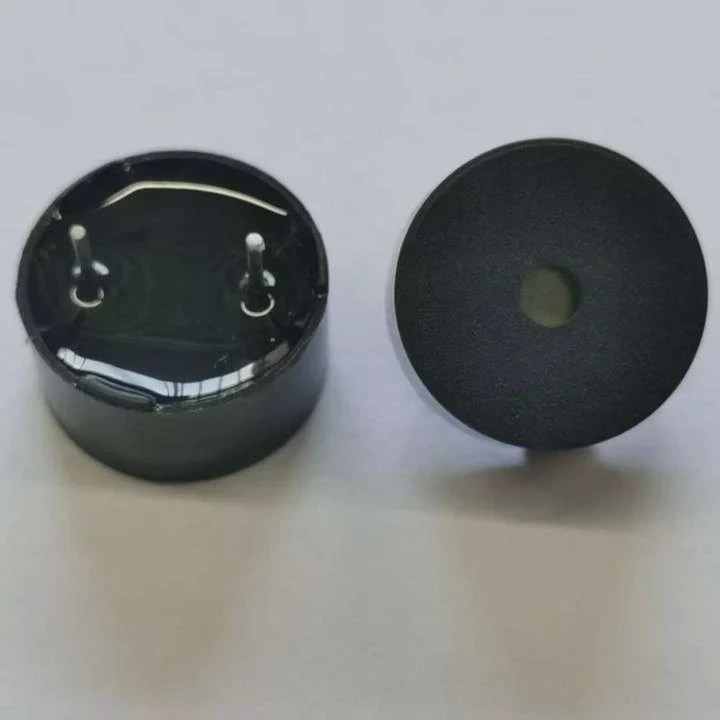
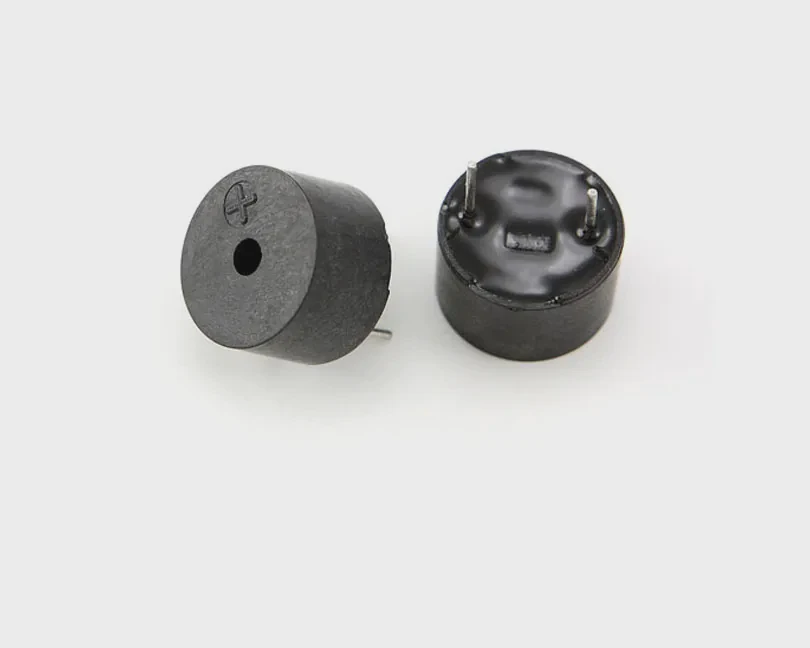
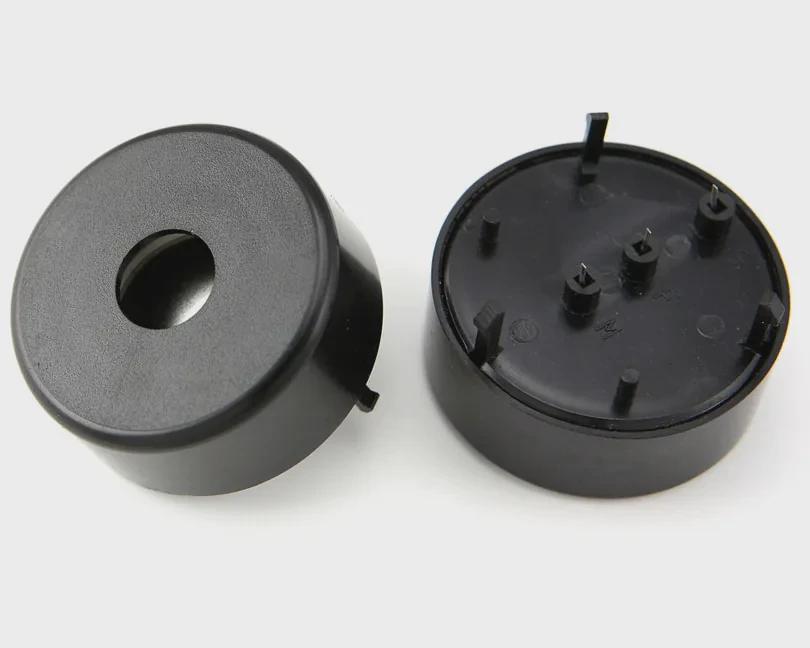
A self-drive piezo buzzer is an acoustic component that contains a built-in oscillation circuit and uses piezoelectric technology to generate sound automatically. It can produce a stable warning tone when connected to the correct power supply.
This article explains how self-drive piezo buzzers work, where they are used, their benefits, and how engineers can test their performance.
How Does A Self-drive Piezo Buzzer Work?
A self-drive piezo buzzer works by using a built-in oscillator circuit to control a piezoelectric element. The internal circuit creates an electrical signal, and the piezo element converts this signal into mechanical vibration and sound.
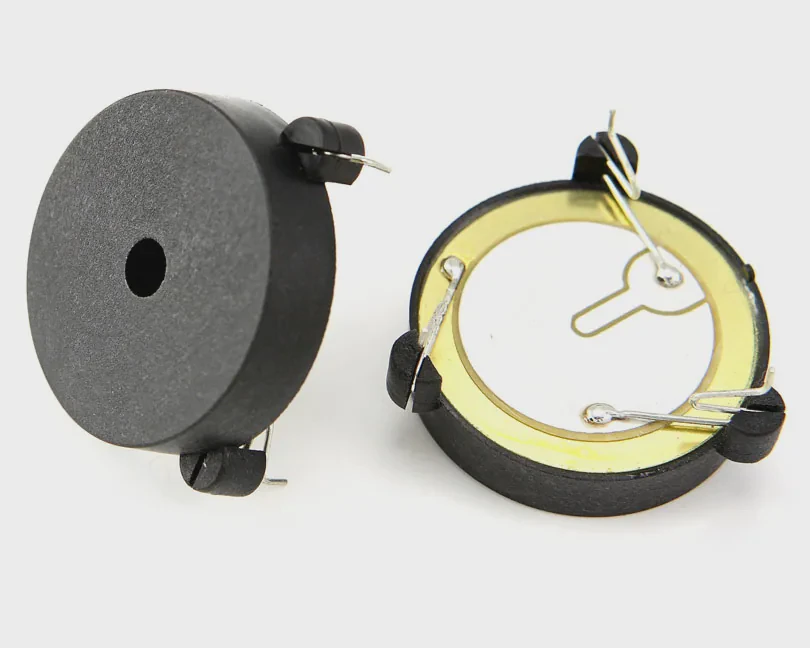
The main difference between a self-drive piezo buzzer and a passive piezo buzzer is the internal driving circuit. A passive piezo buzzer requires an external signal source to create the correct frequency. A self-drive piezo buzzer can generate this signal by itself.
When power is applied, the internal oscillator starts working. It sends a controlled electrical signal to the piezoelectric ceramic element. The ceramic element changes shape according to the electrical signal and creates vibration.
The vibration produces sound waves through the buzzer housing.
Basic Working Process
| Working Step | Description | Function |
|---|---|---|
| Power input | Voltage enters the buzzer | Provides electrical energy |
| Oscillator operation | Internal circuit creates frequency signal | Controls vibration |
| Piezo element movement | Ceramic material changes shape | Creates mechanical vibration |
| Sound output | Housing transfers vibration into sound | Produces warning tone |
Main Internal Components
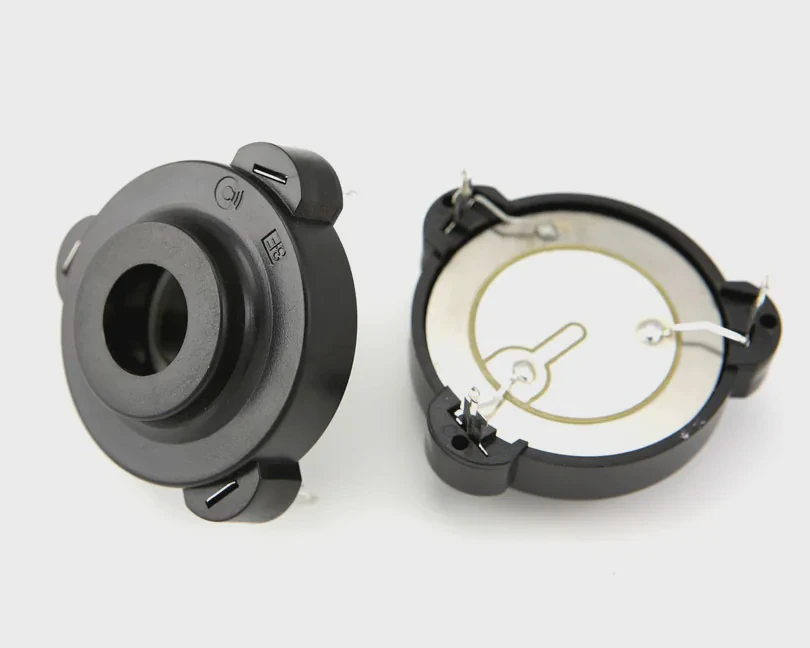
A self-drive piezo buzzer usually contains:
- Piezo ceramic element
- Internal oscillator circuit
- Metal diaphragm
- Housing
- Electrical terminals
The piezo ceramic element is the key acoustic part. It responds to voltage changes and creates mechanical movement.
The oscillator circuit controls the frequency. This allows the buzzer to produce a stable sound without requiring an external control signal.
Self-drive And External-drive Difference
The main difference is the driving method.
| Type | Driving Method | Circuit Requirement |
|---|---|---|
| Self-drive piezo buzzer | Built-in oscillator | Simple power connection |
| External-drive piezo buzzer | External frequency signal | Additional control circuit |
Self-drive models simplify product design because engineers do not need to create separate sound generation circuits.
Performance Factors
The performance of a self-drive piezo buzzer depends on:
- Rated voltage
- Current consumption
- Sound pressure level
- Resonant frequency
- Operating temperature
- Response time
A correct voltage match is important. Too low voltage may reduce sound output. Too high voltage may affect product lifetime.
When I help customers select acoustic components, I usually recommend checking the complete application first. The buzzer needs to match the product power system and operating environment.
What Are Self-drive Piezo Buzzer Uses?
Self-drive piezo buzzers are used in many electronic products that need simple and reliable sound alerts. Their built-in drive function makes them suitable for compact systems.
Many manufacturers choose self-drive piezo buzzers because they reduce circuit complexity while providing stable warning signals.
Common Application Areas
| Industry | Application Example | Main Function |
|---|---|---|
| Security equipment | Alarm systems | Emergency warning |
| Consumer electronics | Smart devices | Status notification |
| Industrial control | Machines and controllers | Operation feedback |
| Medical equipment | Monitoring systems | User alert |
| Automotive electronics | Vehicle modules | Warning signal |
Security Systems
Security products need fast and reliable warning functions.
Self-drive piezo buzzers are used in:
- Alarm systems
- Access control devices
- Safety equipment
- Monitoring products
The built-in oscillator allows simple integration with the control system.
Consumer Electronics
Modern electronic products need compact components. Self-drive piezo buzzers are suitable for devices with limited space.
Applications include:
- Smart home products
- Electronic locks
- Small appliances
- Portable devices
- Control panels
The small structure helps engineers create compact product designs.
Industrial Equipment
Industrial equipment often needs sound feedback to inform operators.
Applications include:
- Factory machines
- Control cabinets
- Testing equipment
- Automation systems
A reliable buzzer helps operators understand equipment status quickly.
Medical Devices
Medical products require dependable notification systems.
Self-drive piezo buzzers can support:
- Monitoring equipment
- Testing devices
- Healthcare products
Stable sound output is important because users depend on these alerts.
Automotive Electronics
Vehicles contain many electronic modules that require warning signals.
Applications include:
- Dashboard systems
- Control units
- Safety equipment
Automotive projects usually require strict reliability testing because components must work under vibration and temperature changes.
Smart Devices And IoT Products
Smart devices are becoming smaller and more intelligent. Self-drive piezo buzzers support these products because they provide sound functions with simple integration.
They are suitable for:
- Smart sensors
- IoT devices
- Intelligent controllers
I often see customers choose self-drive piezo buzzers because they want a balance between easy design and reliable performance.
What Are Benefits Of Self-drive Piezo Buzzers?
Self-drive piezo buzzers provide many advantages for electronic manufacturers. They simplify circuit design, save space, and provide stable sound performance.
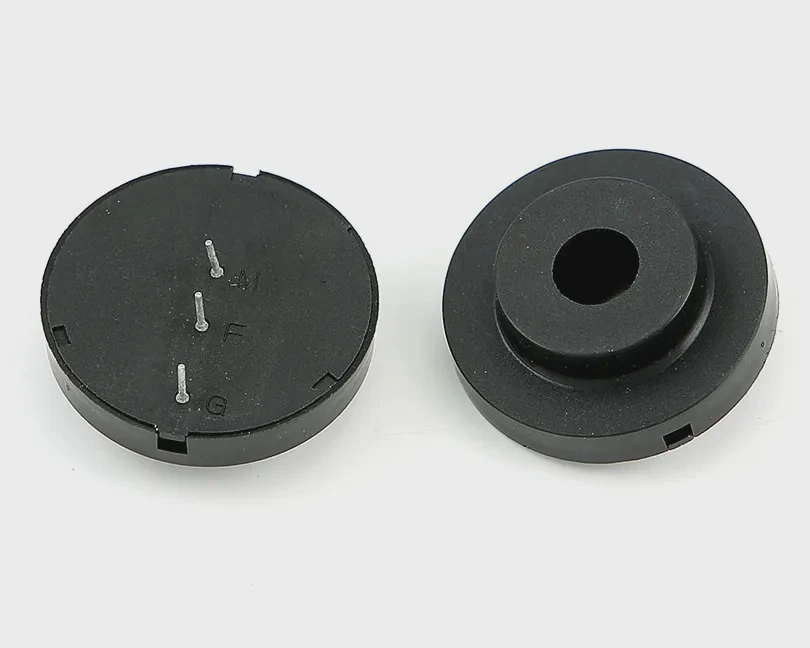
The built-in driver makes these buzzers practical for many applications. Engineers can reduce development work while maintaining reliable warning functions.
Simple Circuit Design
One major benefit is the reduced circuit requirement.
Because the buzzer includes an oscillator, engineers do not need additional sound generation circuits.
This provides:
- Fewer components
- Easier PCB design
- Faster development
- Lower design complexity
A simpler circuit can improve overall product reliability.
Low Power Consumption
Piezo technology is known for efficient energy use.
Self-drive piezo buzzers can support low-power electronic designs.
Benefits include:
- Reduced energy consumption
- Better battery performance
- Improved system efficiency
This makes them suitable for portable devices.
Compact Structure
Space is important in modern electronics.
Self-drive piezo buzzers offer:
- Small size
- Lightweight design
- Easy installation
- Flexible integration
They help manufacturers create smaller products.
Reliable Sound Output
A built-in oscillator helps maintain stable sound performance.
Important advantages include:
- Fixed frequency
- Consistent output
- Fast response
- Long operating life
For warning applications, stable performance is very important.
Easy Mass Production
Self-drive piezo buzzers support efficient manufacturing.
Advantages include:
- Simple assembly
- Stable quality
- Easy testing
- Large-scale production support
For OEM and ODM projects, production efficiency can directly affect product cost.
Wide Application Range
Self-drive piezo buzzers can be used in many industries because of their flexible design.
They support:
- Consumer electronics
- Industrial equipment
- Security products
- Medical devices
- Automotive systems
A single acoustic technology can support many different product requirements.
How Do You Test A Self-drive Piezo Buzzer?
Testing a self-drive piezo buzzer helps confirm sound performance, electrical compatibility, and long-term reliability. Proper testing ensures the component meets product requirements.
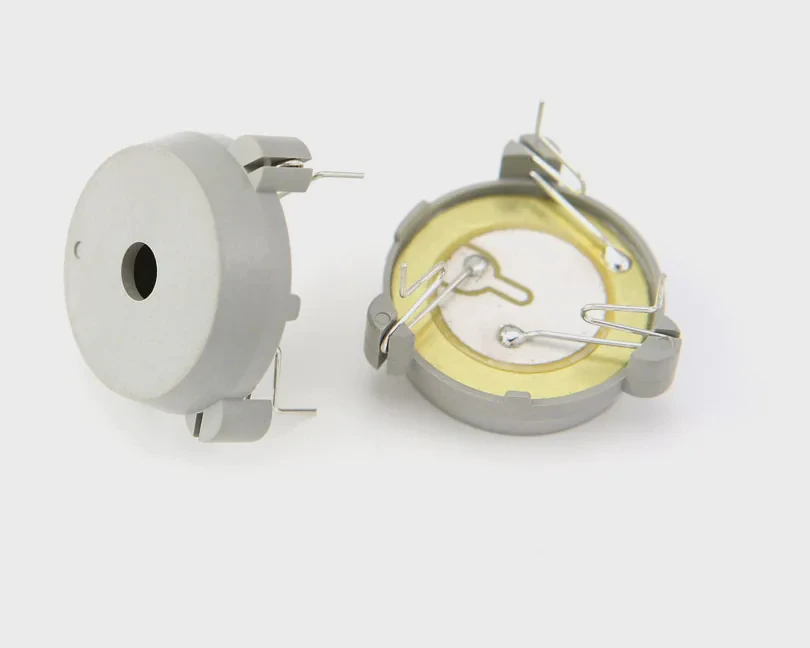
Before mass production, manufacturers need to verify that the buzzer works correctly under different conditions.
Electrical Testing
The first step is checking electrical performance.
Important tests include:
| Test Item | Purpose |
|---|---|
| Voltage test | Confirms operating range |
| Current test | Measures power consumption |
| Frequency test | Checks sound stability |
| Resistance test | Evaluates electrical condition |
| Response test | Measures activation speed |
These tests confirm that the buzzer matches the product circuit.
Acoustic Testing
Sound performance is a key measurement.
Engineers usually check:
- Sound pressure level
- Frequency accuracy
- Output consistency
- Sound quality
A professional acoustic test system helps measure product performance accurately.
Environmental Testing
Products may work in different environments. Testing helps confirm durability.
Common environmental tests include:
- High temperature testing
- Low temperature testing
- Humidity testing
- Vibration testing
These tests are important for industrial and automotive applications.
Lifetime Testing
Long-term reliability is important for warning components.
Lifetime tests evaluate:
- Continuous operation ability
- Sound output stability
- Component durability
A quality self-drive piezo buzzer should maintain stable performance over time.
Production Quality Control
During manufacturing, suppliers should perform quality inspections.
Common quality steps include:
- Incoming material inspection
- Production process inspection
- Final acoustic testing
- Packaging inspection
A complete quality system helps ensure product consistency.
Selecting A Reliable Supplier
For OEM and ODM customers, supplier capability is important.
A professional supplier should provide:
- Technical support
- Customized solutions
- Testing reports
- Stable production capacity
- Quality management
I believe acoustic components need close cooperation between customers and suppliers. Clear communication helps create products that meet technical and market requirements.
Conclusion
Self-drive piezo buzzers provide simple, efficient, and reliable sound solutions for modern electronics. Their built-in driving circuit reduces design complexity and improves integration. Proper testing and selection help ensure stable product performance.