What Is Smoke Alarm Buzzer?
- Union Team Electronics
- 07 Jul ,2026
A smoke alarm needs a fast and reliable warning signal. If the sound output fails, people may not receive important safety information during an emergency.
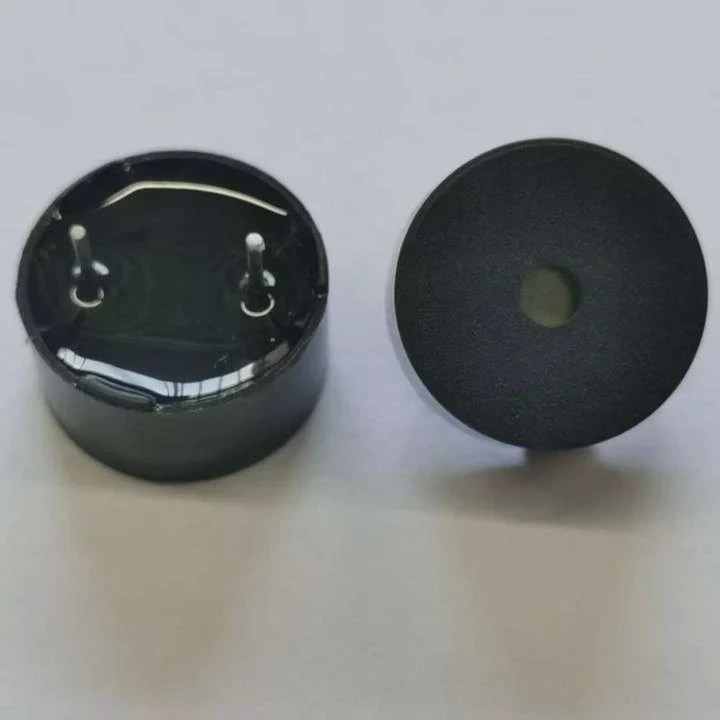
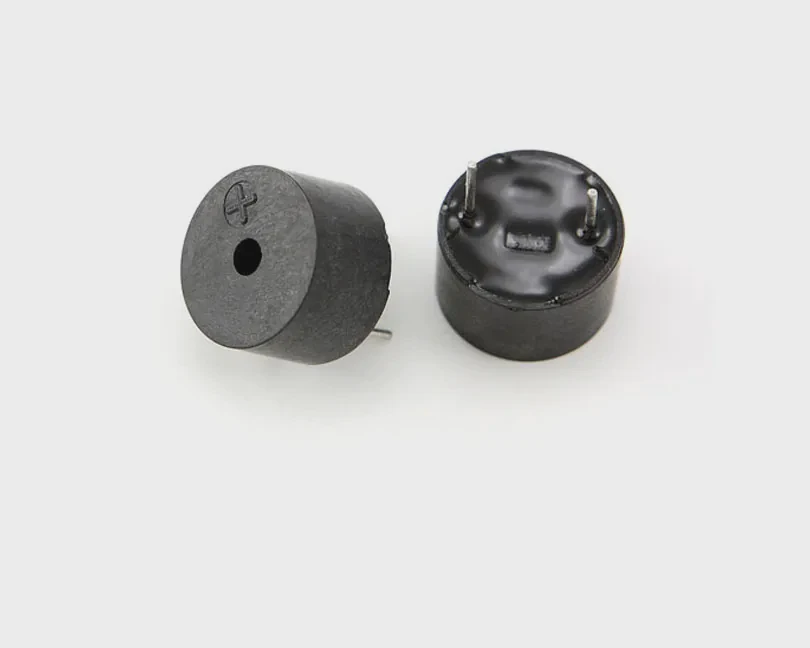
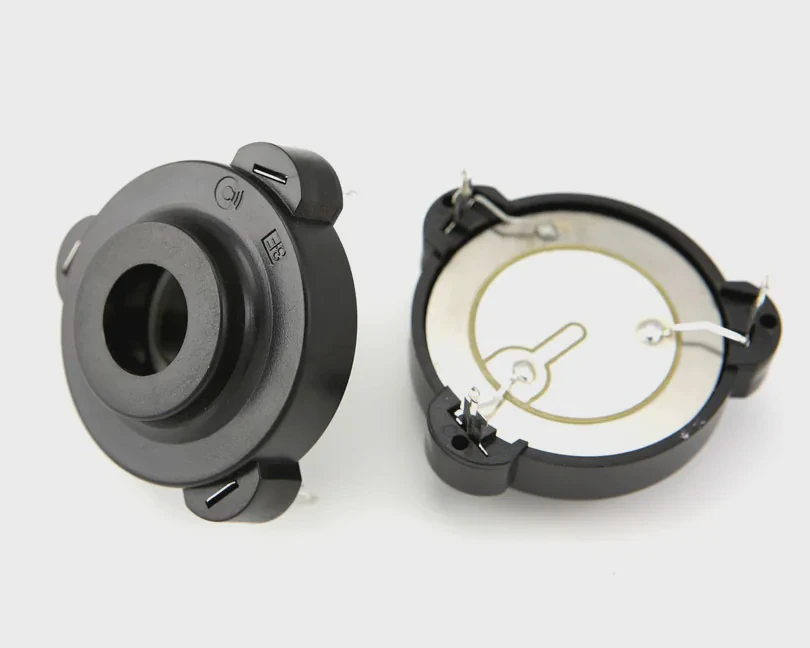
A smoke alarm buzzer is an acoustic component inside a smoke detection system that creates a loud alert sound when smoke or fire risks are detected. It helps warn people and provides an important safety function in homes, buildings, and industrial areas.
This article explains how smoke alarm buzzers work, why they make different sounds, how long they last, and how they can be replaced.
How Does A Smoke Alarm Buzzer Work?
A smoke alarm buzzer works by converting electrical signals into sound waves. When the smoke detection circuit identifies danger, it sends a signal to the buzzer, and the buzzer produces a warning sound.
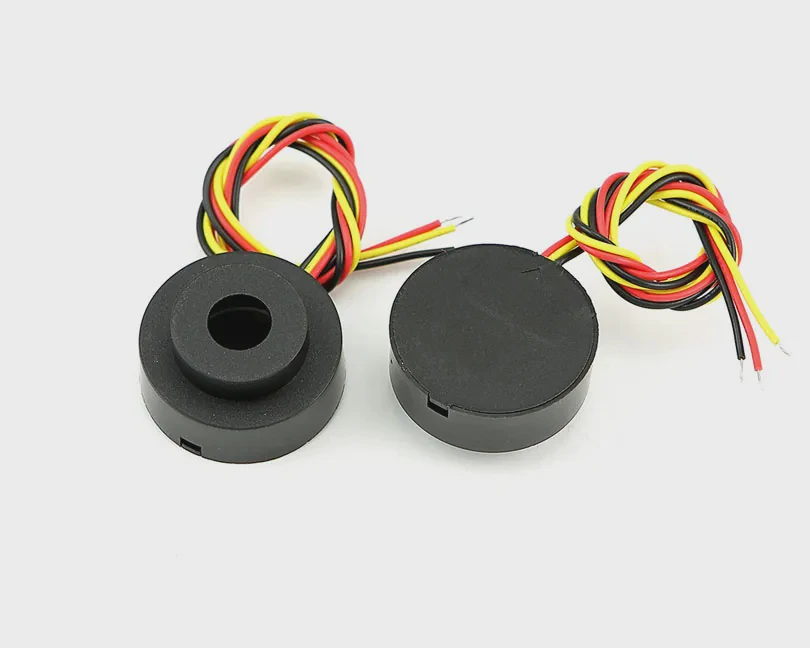
The buzzer is one of the most important parts of a smoke alarm system. The smoke sensor detects particles in the air, and the control circuit processes the information. When the system confirms a possible fire risk, it activates the buzzer.
The buzzer then creates a loud alert to notify people.
Basic Working Process
| Working Step | Description | Function |
|---|---|---|
| Smoke detection | Sensor detects smoke particles | Identifies possible danger |
| Signal processing | Circuit analyzes the sensor signal | Confirms alarm condition |
| Buzzer activation | Electrical signal reaches buzzer | Starts sound generation |
| Sound output | Buzzer produces warning tone | Alerts nearby people |
Internal Structure Of Smoke Alarm Buzzer
A smoke alarm buzzer usually contains:
- Electromagnetic coil
- Permanent magnet
- Diaphragm
- Driving circuit
- Housing
- Electrical terminals
The internal structure depends on the buzzer type. Many smoke alarms use piezo buzzers or magnetic buzzers because they provide strong sound output with low power consumption.
Electromagnetic Buzzer Working
For a magnetic smoke alarm buzzer, the process uses electromagnetic force.
The coil creates a magnetic field when current passes through it. The magnetic force moves the diaphragm. The vibration of the diaphragm creates sound waves.
This design provides:
- Clear sound output
- Fast response
- Reliable operation
- Long service life
Piezo Buzzer Working
Some smoke alarms use piezoelectric buzzers.
A piezo buzzer uses a ceramic material that changes shape when voltage is applied. This movement creates vibration and produces sound.
Piezo buzzers are popular because they offer:
- Low power consumption
- Small size
- High reliability
- Simple structure
When designing safety products, manufacturers need to focus on both sound performance and reliability. A smoke alarm buzzer must work correctly after years of standby operation.
What Causes Smoke Alarm Buzzer Sounds?
A smoke alarm buzzer can produce sounds for different reasons. Some sounds indicate danger, while others may show maintenance needs or battery problems.
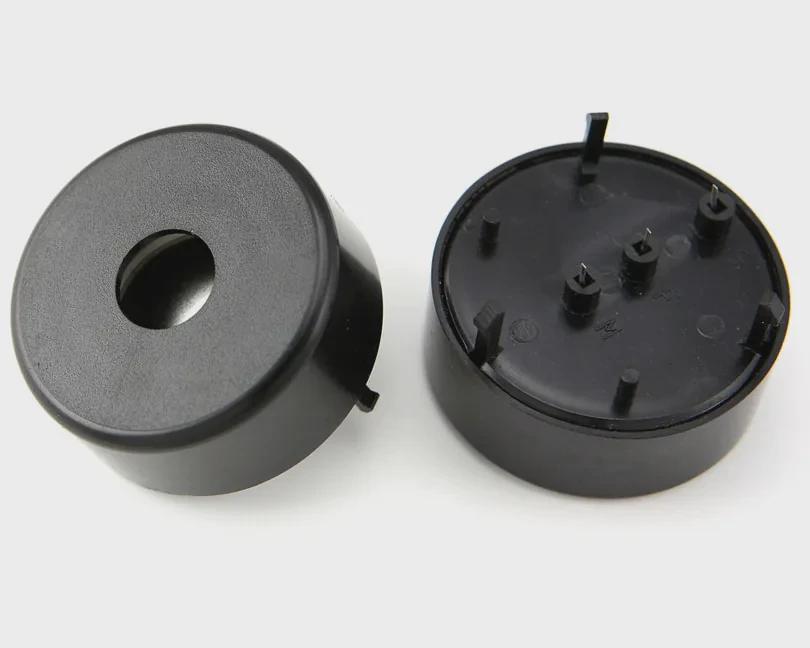
Many people think every buzzer sound means there is a fire. However, different sound patterns can represent different conditions.
Understanding these signals helps users respond correctly.
Common Reasons For Smoke Alarm Sounds
| Sound Type | Possible Cause | Recommended Action |
|---|---|---|
| Continuous loud alarm | Smoke or fire detected | Check the environment immediately |
| Short repeated chirp | Low battery | Replace battery |
| Random warning sound | Dust or sensor issue | Clean and inspect device |
| No sound during testing | Product problem | Check power or replace unit |
Smoke Detection Alarm
The main purpose of the buzzer is to warn people when smoke is detected.
When smoke enters the sensing chamber, the sensor sends a signal to the control circuit. The circuit activates the buzzer.
A strong sound output is important because:
- People may be sleeping
- The environment may be noisy
- Quick response may save lives
Low Battery Warning
Many smoke alarms produce short chirping sounds when battery power becomes low.
This function reminds users to:
- Replace batteries
- Check the power system
- Maintain the alarm
A low battery warning helps prevent safety failures.
Dust And Environmental Problems
Sometimes a smoke alarm buzzer sounds because of sensor problems.
Possible causes include:
- Dust accumulation
- Insects entering the sensor
- High humidity
- Temperature changes
Regular maintenance helps reduce false alarms.
Product Failure
A damaged smoke alarm may also create abnormal sounds or fail to produce sound.
Possible problems include:
- Aging components
- Circuit damage
- Buzzer failure
- Power problems
For safety equipment, regular testing is important.
I believe reliability is the most important factor for safety-related acoustic components. A buzzer is a small part, but it has a critical role when an emergency happens.
How Long Do Smoke Alarm Buzzers Last?
The service life of a smoke alarm buzzer depends on product quality, operating environment, and usage conditions. A high-quality buzzer can provide stable performance for many years.
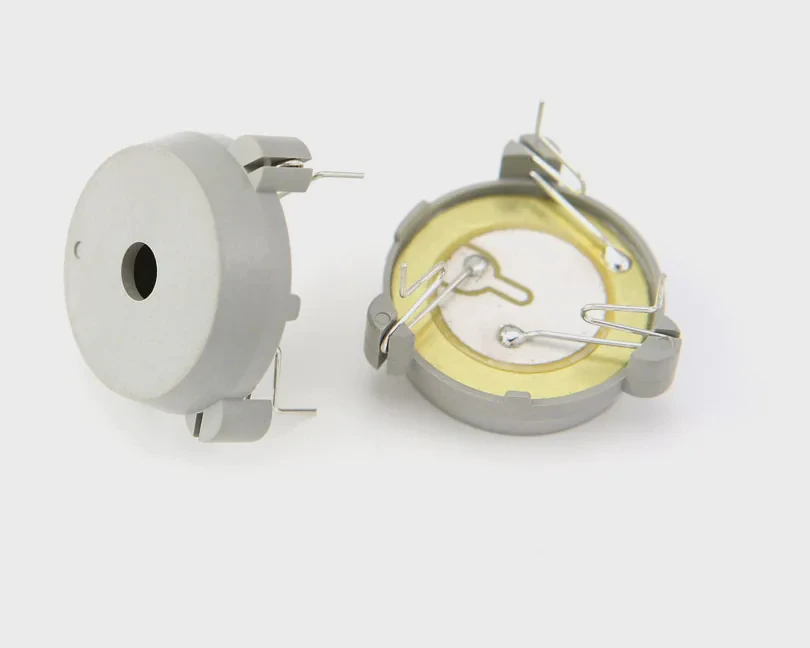
Smoke alarms usually stay inactive most of the time. The buzzer may only work during testing or emergency situations. However, it still needs to remain reliable after long periods of standby.
Typical Lifetime Factors
| Factor | Effect On Lifetime |
|---|---|
| Component quality | Higher quality materials improve reliability |
| Operating environment | Temperature and humidity affect durability |
| Usage frequency | Frequent alarms increase operating stress |
| Manufacturing quality | Better processes improve consistency |
Material Quality
The materials inside the buzzer affect long-term performance.
Important materials include:
- Magnetic components
- Diaphragm materials
- Housing materials
- Electrical contacts
High-quality materials help maintain stable sound output.
Environmental Conditions
Smoke alarms may be installed in different environments.
Conditions that can affect lifetime include:
- High humidity
- Extreme temperatures
- Dust exposure
- Chemical environments
Products used in harsh environments need stronger protection.
Testing And Quality Control
Reliable smoke alarm buzzers require strict testing.
Common tests include:
- Sound output testing
- Electrical performance testing
- Temperature testing
- Humidity testing
- Lifetime testing
Manufacturers use these tests to ensure product stability.
Maintenance Importance
Even a high-quality buzzer requires proper maintenance.
Users should:
- Test alarms regularly
- Replace batteries when needed
- Keep sensors clean
- Replace old smoke alarms
A smoke alarm system is only effective when every part works correctly.
For manufacturers, stable production is also important. Consistent quality control helps ensure every buzzer performs the same way.
How Do You Replace A Smoke Alarm Buzzer?
Replacing a smoke alarm buzzer depends on the alarm design. Some systems allow component replacement, while others require replacing the complete smoke alarm unit.
Before replacement, users should understand the product structure. Safety equipment should always be handled carefully because incorrect replacement may affect alarm performance.
Check The Alarm Type
The first step is identifying the smoke alarm design.
Common types include:
- Battery-powered smoke alarms
- Wired smoke alarms
- Smart smoke alarms
- Industrial smoke detection systems
Different systems use different buzzer designs.
Replacement Process
The general replacement process includes:
| Step | Action | Purpose |
|---|---|---|
| 1 | Turn off power | Prevent electrical problems |
| 2 | Open the alarm housing | Access internal components |
| 3 | Check buzzer condition | Confirm the failure source |
| 4 | Replace component or unit | Restore warning function |
| 5 | Test alarm operation | Confirm correct performance |
Check Electrical Compatibility
If replacing only the buzzer component, engineers need to confirm:
- Voltage rating
- Sound output
- Size
- Terminal design
- Electrical connection
A replacement buzzer should match the original design.
Consider Professional Replacement
For household users, replacing the entire smoke alarm is often safer because modern smoke alarms are designed as complete safety systems.
For manufacturers and maintenance teams, replacing individual buzzer components may be possible when the product design supports repair.
Choosing A Replacement Buzzer
When selecting a replacement smoke alarm buzzer, consider:
- Reliable sound output
- Low power consumption
- Long service life
- Stable production quality
- Safety requirements
A suitable buzzer helps maintain the overall performance of the smoke alarm.
Importance Of Supplier Support
For OEM and ODM smoke alarm manufacturers, supplier capability is important.
A professional acoustic supplier can provide:
- Customized buzzer solutions
- Performance testing
- Quality inspection
- Stable production
- Technical support
I often find that safety products require closer cooperation between customers and suppliers. Clear communication helps create reliable products that protect users.
Conclusion
Smoke alarm buzzers are important acoustic components that provide life-saving warning signals. They use reliable sound technology to alert people during emergencies. Proper selection, testing, and maintenance help ensure long-term safety performance.