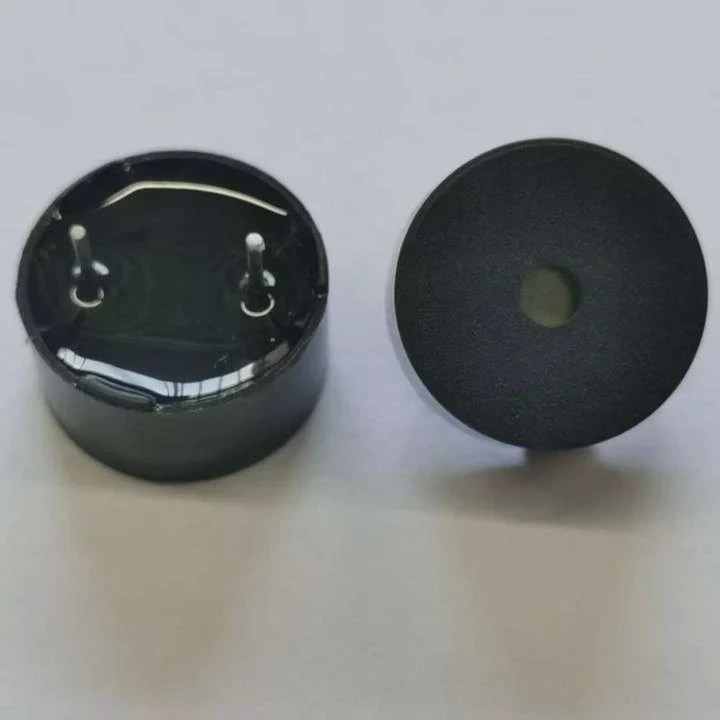
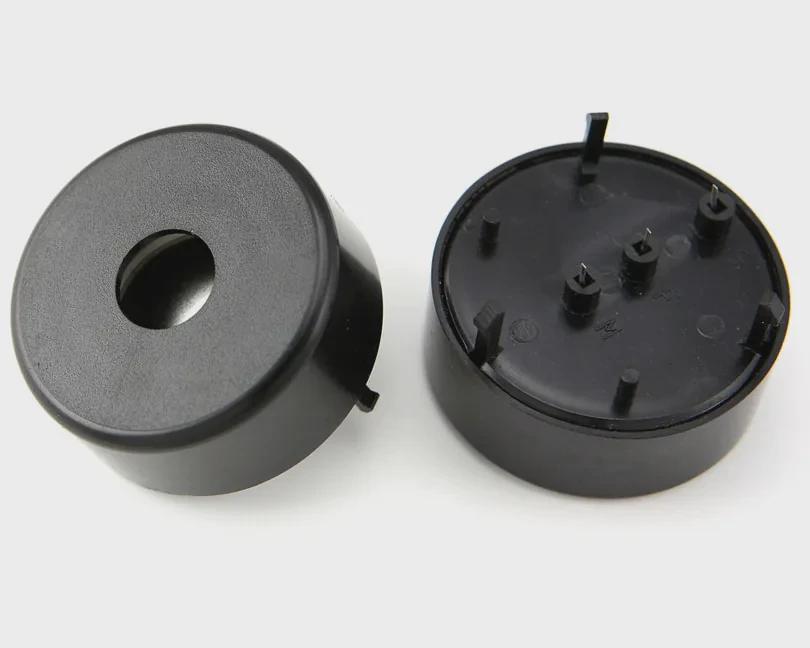
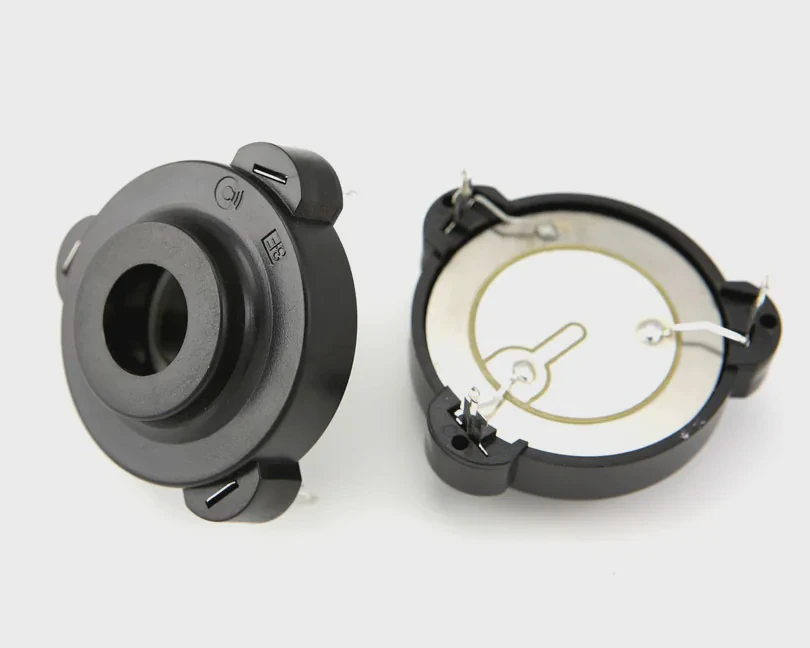
What Is Magnetic Buzzer?
- Union Team Electronics
- 07 Jul ,2026
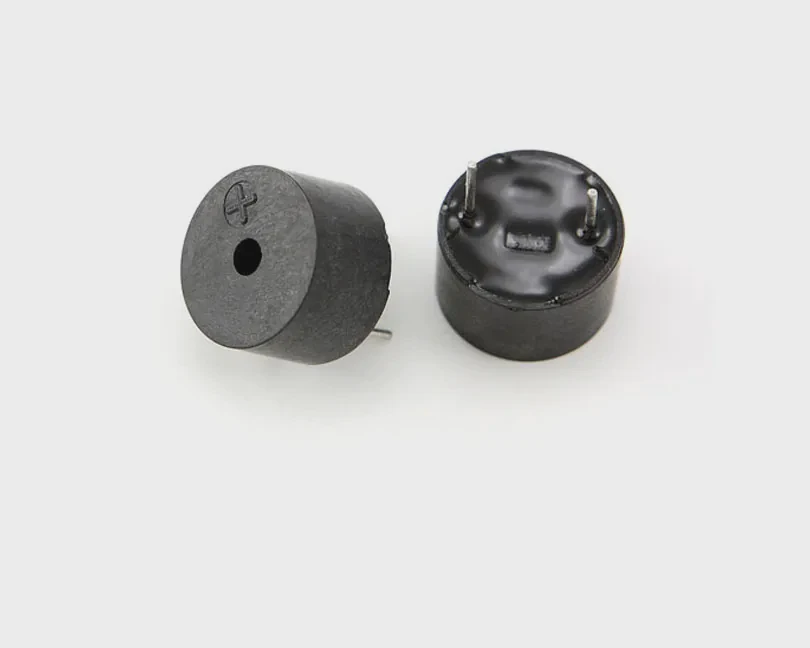
Many electronic products need simple and reliable sound alerts. However, choosing the wrong acoustic component can affect product performance, power usage, and user experience.
A magnetic buzzer is an electronic sound component that uses electromagnetic force to create vibration and produce sound. It is widely used in alarms, control systems, consumer electronics, and industrial equipment.
This article explains how magnetic buzzers work, where they are used, their main benefits, and how they compare with other buzzer technologies.
How Does A Magnetic Buzzer Work?
A magnetic buzzer works by using electromagnetic energy to create mechanical vibration. The vibration moves an internal diaphragm and generates sound waves.
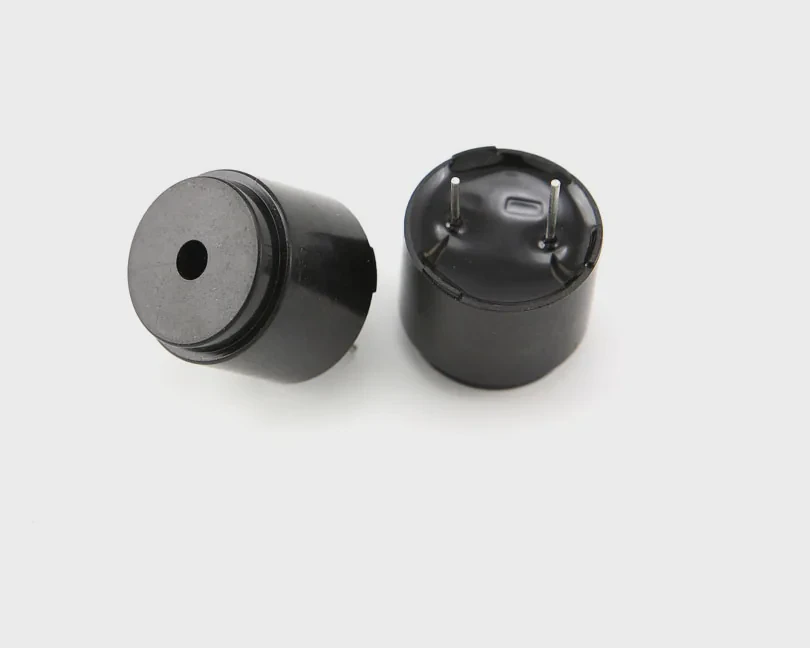
The working principle of a magnetic buzzer is based on the relationship between electric current and magnetic force. When current flows through the internal coil, it creates a magnetic field. This magnetic field interacts with a permanent magnet and causes the diaphragm to move.
The repeated movement creates sound output.
Basic Working Process
| Working Step | Description | Function |
|---|---|---|
| Electrical input | Current enters the electromagnetic coil | Creates magnetic field |
| Magnetic movement | Coil interacts with permanent magnet | Produces vibration |
| Diaphragm movement | Diaphragm moves at a fixed frequency | Generates sound waves |
| Sound output | Sound passes through the housing | Creates audible alert |
Main Internal Components
A magnetic buzzer usually contains several important parts:
- Electromagnetic coil
- Permanent magnet
- Diaphragm
- Magnetic core
- Housing
- Terminals
The coil creates the changing magnetic field. The permanent magnet provides stable magnetic force. The diaphragm converts mechanical vibration into sound.
Although the structure is simple, each part affects the final acoustic performance. Material quality and manufacturing accuracy influence sound pressure, reliability, and service life.
Types Of Magnetic Buzzers
Magnetic buzzers can be divided into different types based on their driving method.
Common types include:
- Internal-driven magnetic buzzer
- External-driven magnetic buzzer
- SMD magnetic buzzer
- Pin-type magnetic buzzer
Each type has different design advantages.
For example, an internal-driven magnetic buzzer includes a built-in oscillator. It can produce sound when connected to a suitable power supply.
An external-driven magnetic buzzer requires an external signal source to control the sound frequency.
Important Performance Factors
The performance of a magnetic buzzer depends on:
- Operating voltage
- Rated current
- Sound pressure level
- Resonant frequency
- Response time
- Operating temperature
Engineers need to select the right specifications according to the final application.
When I discuss buzzer solutions with customers, I usually suggest checking the complete product environment first. A buzzer should match the circuit, installation space, and working conditions.
What Are Magnetic Buzzer Applications?
Magnetic buzzers are widely used because they provide reliable sound alerts with simple structures. They can be found in many electronic products that need notification or warning functions.
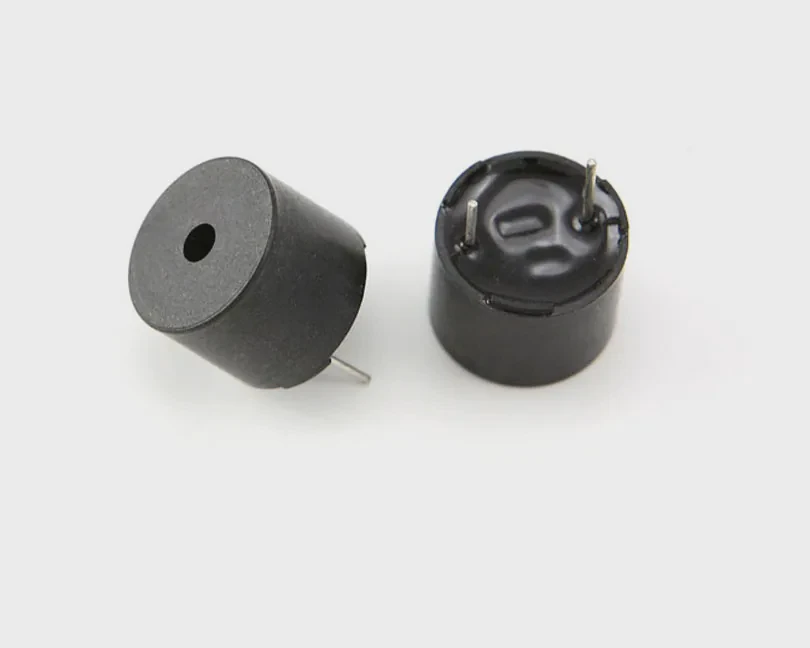
Modern devices need sound feedback to communicate with users. Magnetic buzzers provide a practical way to create clear alerts without complex designs.
Common Application Areas
| Industry | Application Example | Purpose |
|---|---|---|
| Consumer electronics | Home appliances and smart devices | Status notification |
| Industrial equipment | Machines and control systems | Warning alerts |
| Security systems | Alarm equipment | Emergency signals |
| Medical devices | Monitoring products | User notification |
| Automotive electronics | Vehicle control systems | Safety warnings |
Consumer Electronics
Consumer electronics often use buzzers to improve user interaction.
Applications include:
- Smart home devices
- Electronic locks
- Kitchen appliances
- Timers
- Small control devices
These products need compact components that can provide reliable sound output.
Magnetic buzzers are popular because they offer good performance with simple integration.
Industrial Equipment
Industrial systems often require sound warnings to help operators understand machine conditions.
Applications include:
- Factory machines
- Automation equipment
- Control panels
- Testing systems
Industrial products usually operate for long periods. Therefore, the buzzer needs stable performance and strong reliability.
Security Systems
Security equipment depends on fast warning signals.
Magnetic buzzers are commonly used in:
- Alarm systems
- Access control products
- Safety devices
- Monitoring equipment
A clear sound alert helps users respond quickly when abnormal conditions happen.
Medical Equipment
Medical devices often require reliable notification systems.
Examples include:
- Monitoring equipment
- Testing instruments
- Patient care devices
The buzzer must provide consistent output because users depend on accurate information.
Automotive Electronics
Modern vehicles include many electronic systems that require sound feedback.
Magnetic buzzers can support:
- Dashboard alerts
- Control modules
- Vehicle warning systems
Automotive applications usually require strong durability because components must work under temperature changes and vibration.
What Are Benefits Of Magnetic Buzzers?
Magnetic buzzers provide several advantages for electronic product designers. They combine reliable sound performance, simple structure, and flexible application options.
Many manufacturers choose magnetic buzzers because they offer a practical balance between cost, performance, and production efficiency.
Simple And Reliable Structure
One major benefit of magnetic buzzers is their simple working structure.
The electromagnetic design has been widely used for many years. This technology provides:
- Stable operation
- Easy production
- Reliable performance
- Long service life
A simple structure also helps manufacturers improve production efficiency.
Strong Sound Output
Magnetic buzzers can provide clear sound output for many applications.
This is important for:
- Industrial alarms
- Safety devices
- Control systems
A strong warning signal helps users notice important information quickly.
Cost Efficiency
Magnetic buzzers are often selected because of their good cost performance.
Advantages include:
- Mature manufacturing technology
- Stable production process
- Competitive pricing
- Easy supply management
For large-scale electronic products, cost control is an important factor.
Flexible Design Options
Magnetic buzzers are available in different designs.
Manufacturers can select:
- Different sizes
- Different voltage ratings
- Different mounting methods
- Different driving methods
This flexibility helps engineers find suitable solutions for different products.
Good Compatibility
Magnetic buzzers can be integrated into many electronic systems.
They can support:
- PCB designs
- Control circuits
- Alarm systems
- Embedded devices
Their wide compatibility makes them useful across many industries.
Suitable For Mass Production
Large-scale manufacturers need components with stable quality.
Magnetic buzzers support mass production because suppliers can provide:
- Consistent performance
- Automated production
- Quality inspection
- Stable delivery
I often see customers value production stability as much as product performance. A reliable supply chain helps reduce project risks.
How Do Magnetic Buzzers Compare?
Magnetic buzzers have different characteristics compared with other acoustic components. Understanding these differences helps engineers choose the correct solution.
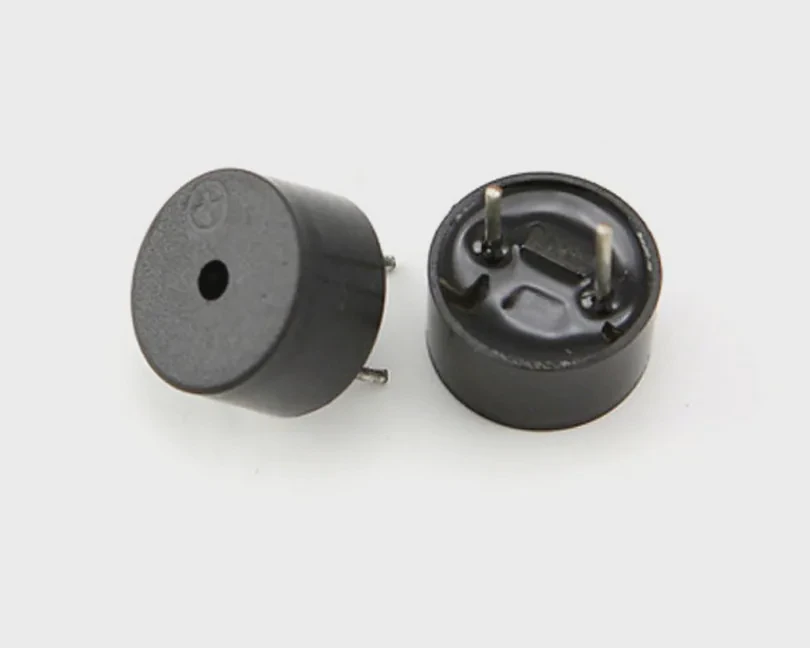
Different buzzer technologies have different working principles. Magnetic buzzers use electromagnetic vibration, while other products may use piezoelectric technology.
Magnetic Buzzer Compared With Piezo Buzzer
| Feature | Magnetic Buzzer | Piezo Buzzer |
|---|---|---|
| Working principle | Electromagnetic vibration | Piezoelectric vibration |
| Sound output | Strong low-frequency sound | Higher frequency output |
| Power requirement | Usually moderate | Usually lower |
| Structure | Coil and magnet design | Piezo ceramic design |
| Application | Alarms and notifications | Electronic devices and warning systems |
Difference In Sound Characteristics
Magnetic buzzers usually provide stronger sound pressure in lower frequency ranges.
They are suitable for applications where users need clear and noticeable alerts.
Piezo buzzers often provide higher frequency performance and lower power consumption.
The correct choice depends on the product requirement.
Difference In Circuit Design
Magnetic buzzers can be:
- Internal-driven
- External-driven
Some models require simple control signals, while others include built-in driving circuits.
Engineers should check whether the buzzer matches the existing circuit design.
Difference In Application Focus
Magnetic buzzers are commonly used in:
- Industrial equipment
- Alarm systems
- Control devices
- Electronic products
Piezo buzzers are often selected for:
- Low-power applications
- Compact devices
- Special frequency requirements
How To Select The Right Technology
The best choice depends on:
- Required sound level
- Power supply
- Product size
- Operating environment
- Cost target
A product designer should consider the whole system instead of only comparing individual specifications.
When customers develop new products, I usually recommend testing samples in the real application environment. Practical testing can reveal problems that cannot always be found through specifications alone.
Conclusion
Magnetic buzzers provide reliable and cost-effective sound solutions for many electronic applications. Their electromagnetic design offers strong performance, flexible options, and easy integration. Choosing the correct magnetic buzzer helps improve product reliability and user experience.