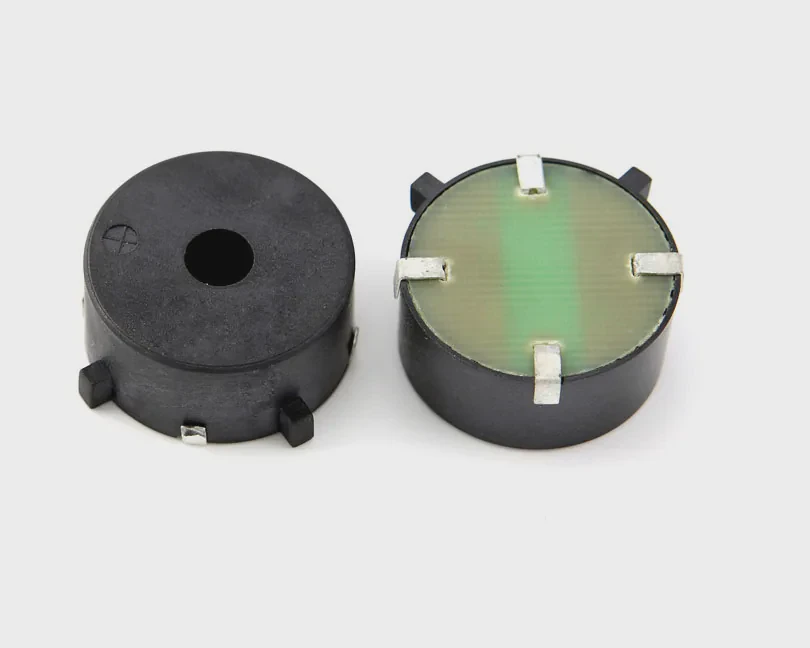
Hot Selling Transducer Suppliers OEM/ODM
Hot Selling Transducer Manufacturers
ISO 9001
ISO 14001
RoHS
WEEE
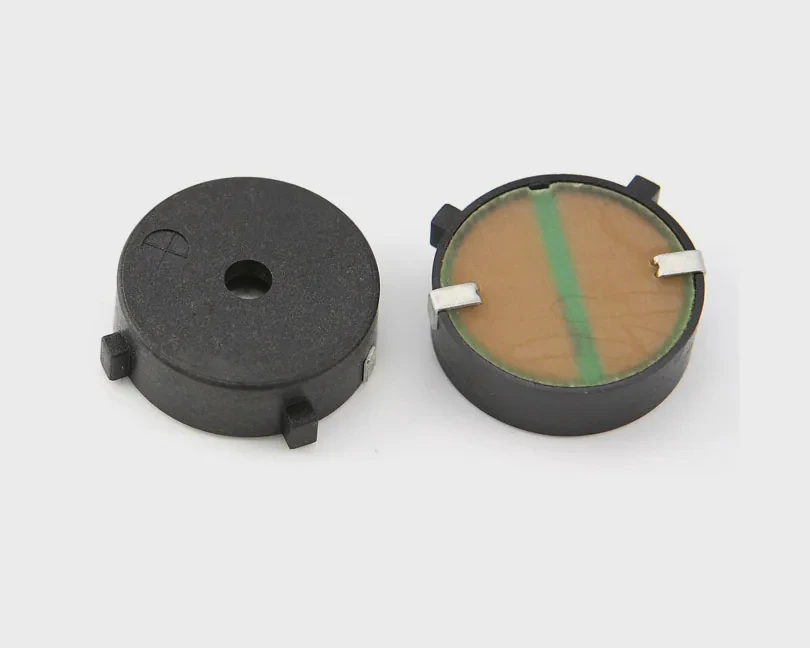
Products
Related Products
Speakers, buzzers, receivers, automotive acoustic components, piezo elements, and custom acoustic solutions for electronics projects.
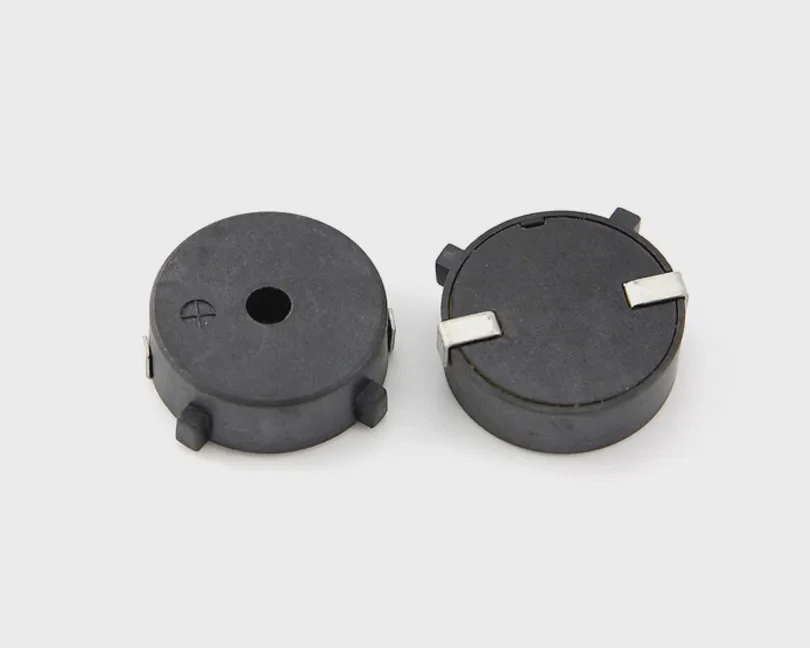
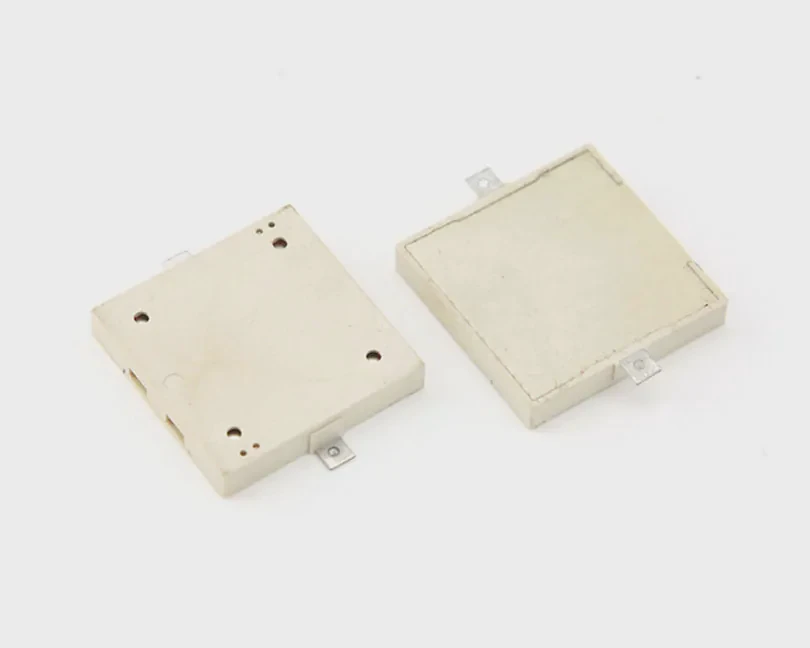
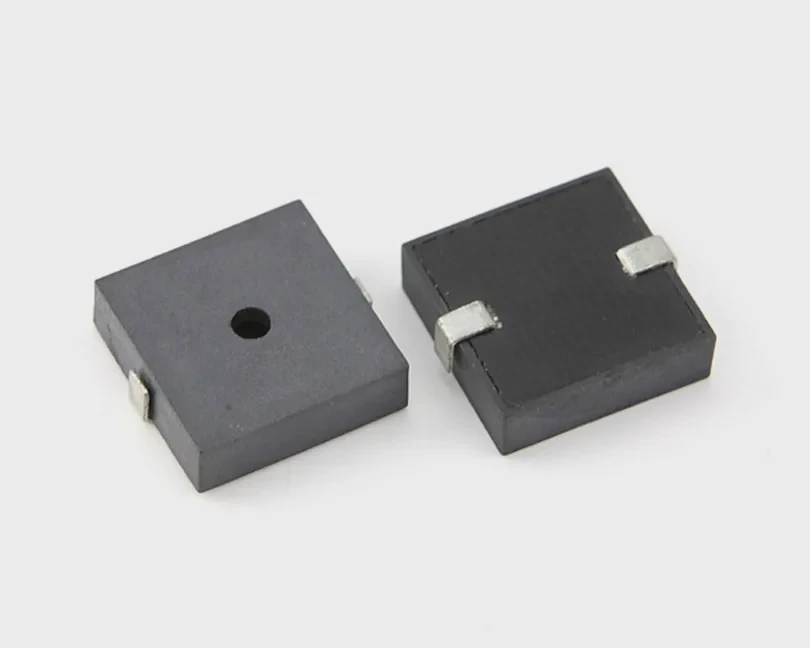
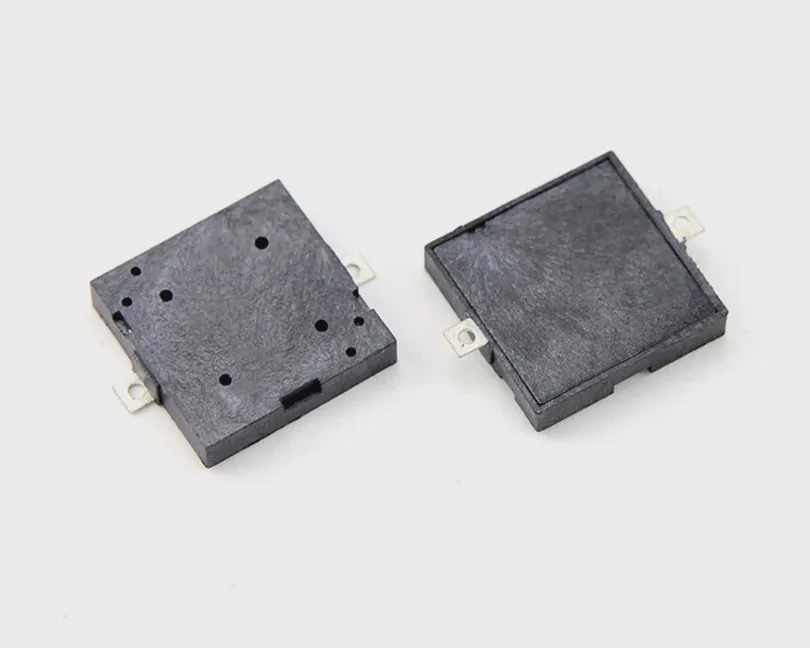
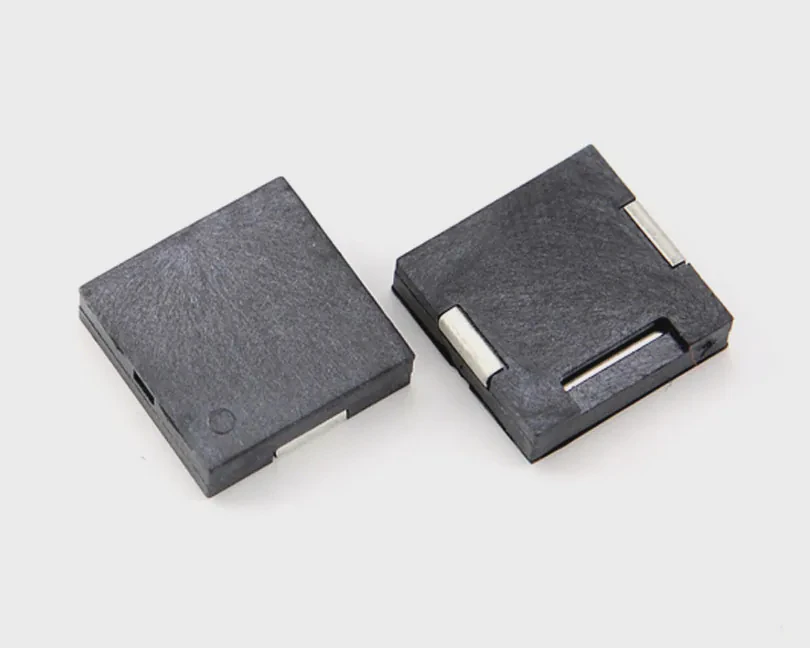
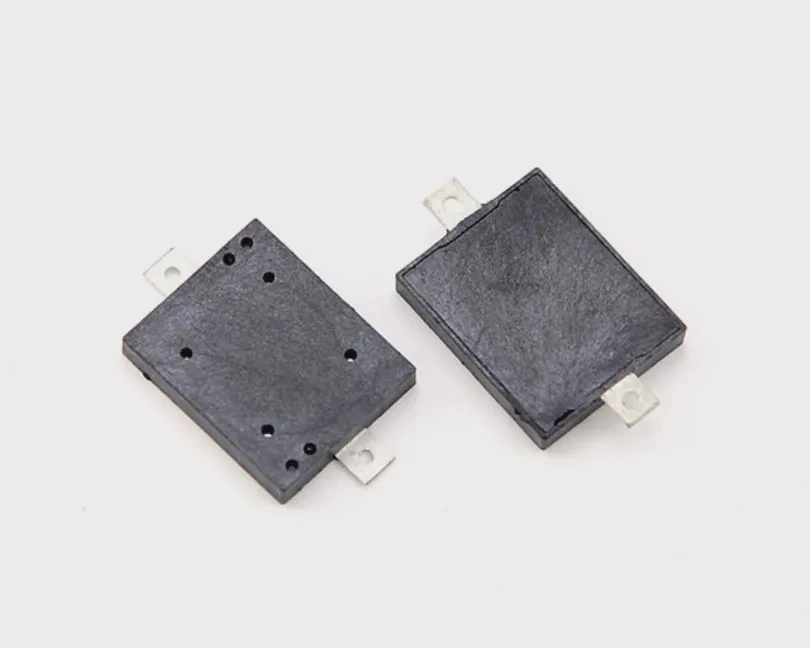
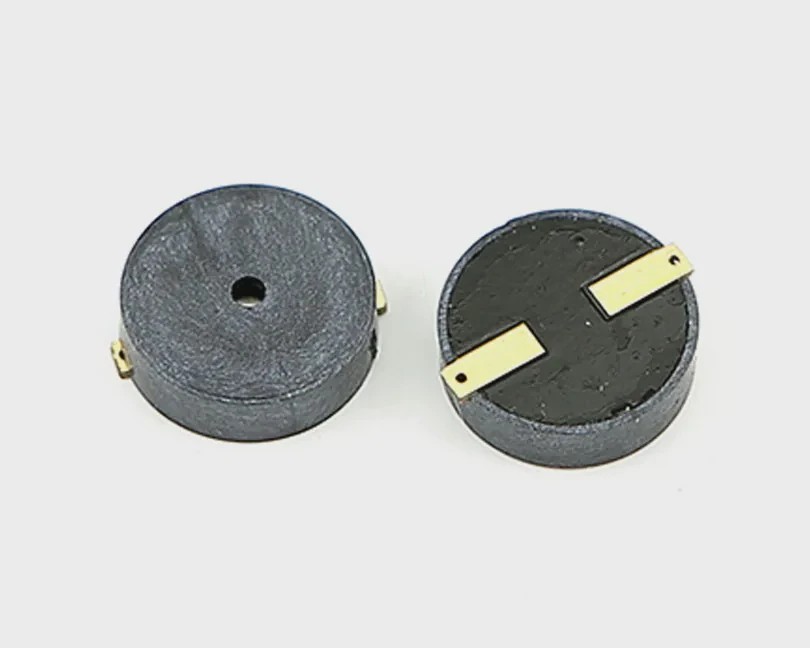
Need a Custom Hot Selling Transducer Solution?
Customization
Custom Options
Match product structure, electrical parameters, sound output, reliability tests, and delivery requirements before sampling and mass production.
Size and Structure
Frequency and SPL
Impedance and Power
Drive Mode Selection
Wire and Terminal
Reliability Testing
RoHS and Test Reports
Tray or Carton Packaging
Order Process
How Orders Work
A clear six-step process helps project teams control specifications, cost, quality, and delivery time.
01
Send Requirements
Share product type, size, frequency, SPL, impedance, power, quantity, drawings, samples, and application.
02
Technical Review
Engineers review acoustic target, structure, application environment, terminal or wire design, and manufacturability.
03
Quotation & Approval
Review the quotation, drawings, sample plan, lead time, and commercial terms.
04
Production
Mass production begins after sample confirmation and specification approval.
05
Quality Inspection
Products are checked through IQC, IPQC, FQC, OQC, acoustic testing, and final inspection.
06
Packing & Shipping
Packaging, shipment documents, and delivery plans are arranged according to bulk order requirements.
Production Capacity
From requirement review to sampling, testing, mass production, inspection, and delivery, every step is built for stable long-term supply.
1
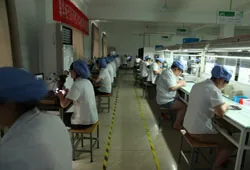
Production Line
Automated production lines and standardized processes support stable acoustic component manufacturing.
2
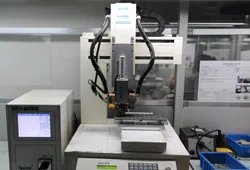
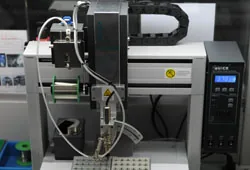
Assembly Process
Automated and semi-automated assembly supports stable speaker and buzzer production.
3
Acoustic Testing
Frequency, SPL, impedance, polarity, and reliability checks help keep batch performance consistent.
4
Final Inspection
Appearance, function, acoustic performance, packaging, and shipment details are checked before delivery.
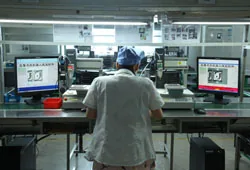
Quality Control
We enforce strict ISO-standard production management. Every batch undergoes comprehensive testing to ensure it meets international electronics standards.
-
Incoming Material Inspection
Key materials, terminals, wires, and structures are checked before production.
-
Performance Testing
SPL, frequency response, impedance, polarity, and reliability are tested by batch.
-
Final Pre-shipment Inspection
100% visual and functional check before secure packaging. QC reports provided.
Why Choose Us
A China-based acoustic component manufacturer focused on stable quality, custom support, and repeatable mass production.
5,000
SQM Production Area
5-8M
Monthly Capacity
OEM
Custom Projects
24h
Fast Quoting
Application Cases
Our acoustic components support electronics brands, automotive suppliers, smart home companies, security device makers, and EMS partners.
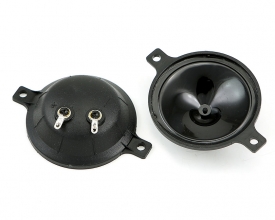
Consumer Electronics
Smart Device Acoustic Project
Supplied micro speakers, SMD buzzers, and receivers for consumer electronics and smart device projects.
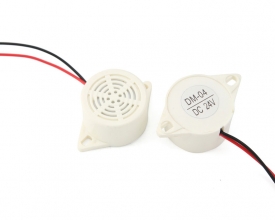
Automotive Electronics
Vehicle Warning Sound Project
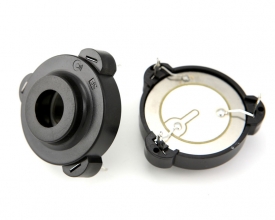
Developed automotive buzzers and AVAS speaker solutions with stable output, reliability testing, and batch consistency.
Smart Home & Security
Alarm and Notification Sound Project
Provided compact speakers and buzzers for alarms, sensors, panels, and connected home devices.
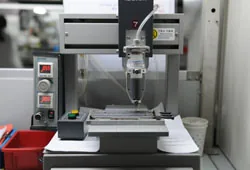
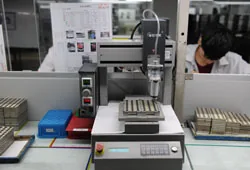
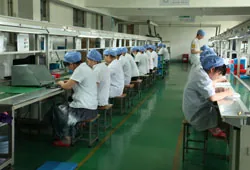
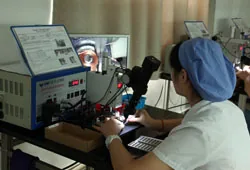
Factory Photos
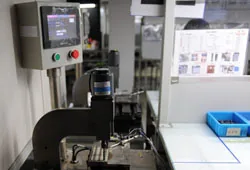
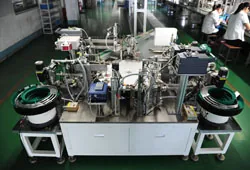
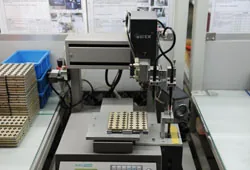
Production lines, equipment, and factory environment.

Need a Speaker or Buzzer Quote?
FAQ
Product Questions
Is transducer suitable for long term mass production stability?
Stable production is ensured through automated manufacturing systems and standardized processes. Each batch follows strict inspection and acoustic testing procedures. Consistency is maintained across large volume orders.
How is quality ensured during transducer manufacturing?
Quality control includes IQC, IPQC, FQC, and OQC inspection stages. Acoustic performance is verified using precision measurement systems. This ensures stable and reliable output.
Can OEM ODM support complex transducer design requirements?
Engineering teams support full acoustic and structural customization. ODM development includes prototype validation and design optimization. This reduces risk in new product applications.
How reliable is delivery time for bulk transducer orders?
Automated production planning ensures stable lead times. Capacity management supports consistent delivery for large volume orders. This ensures global supply chain reliability.
What ensures consistency across transducer production batches?
Standardized manufacturing processes and automated assembly ensure uniform output. Material control and acoustic calibration maintain consistency. Long-term supply stability is guaranteed.
Is transducer suitable for multi industry electronic applications?
It is widely used in consumer, automotive, and industrial electronics. Flexible design supports different voltage and acoustic requirements. Engineering support ensures application compatibility.
What is a transducer used for in electronic products?
It is used to convert electrical signals into acoustic output for alerts and indicators. It is widely used in alarms, smart devices, and industrial systems. It supports compact electronic integration.
Can transducer be customized for OEM projects?
OEM customization is available for voltage, frequency, and structure design. Engineering support ensures acoustic and PCB integration optimization. Samples are provided before mass production.
Is low MOQ available for transducer orders?
Low MOQ is supported for prototype and small batch production. This helps customers validate designs before scaling manufacturing. Flexible order quantities are available for different stages.
Which industries use transducer products?
They are widely used in consumer electronics, automotive systems, and industrial devices. Smart equipment and communication systems also rely on them. Applications depend on acoustic signaling needs.
Inquiry Form
Get a Quote
Receive product recommendations, technical support, and a customized quote within 24 hours.
Response Within 24 Hours
Fast review of your product and project requirements.
Technical Support
Drawing review and product selection support.
Clear Quotation
Product scope, customization details, and delivery plan.
Send Your Requirements
Complete the form and our team will contact you shortly.
Quote
Send your specs. Get product suggestions and a quote within 24 hours.
Article
Hot Selling Transducer Guide
Hot selling transducer components are widely used in electronic systems requiring stable electrical-to-acoustic signal conversion. They provide reliable sound output with low power consumption and high sensitivity performance. These components are essential for modern PCB-based devices. Their compact design supports efficient electronic integration.
They are applied in consumer electronics, automotive electronics, and smart device systems. Typical applications include alarms, warning systems, and signal indicators. Industrial control and communication devices also integrate transducer solutions. Their flexible structure supports diverse engineering requirements.
Surface treatment options include protective coating, sealing, and reinforced housing structures. These improve resistance to moisture, dust, and environmental stress. Material optimization enhances durability and long-term reliability. Protection levels can be customized for different environments.
Precision manufacturing ensures consistent quality through automated production and acoustic testing systems. Each unit is tested for frequency response and sound pressure performance. High efficiency production lines support scalable manufacturing requirements. This guarantees reliability across all production volumes.
OEM and ODM capabilities support customized transducer design and engineering development. Consistency and reliability are maintained through strict production control systems. Mass production capability ensures stable global supply. Engineering support accelerates product development and system integration.