What Is Direct Circuit Driven Buzzer?
- Union Team Electronics
- 07 Jul ,2026
Many electronic products need simple and reliable sound alerts. However, traditional buzzer designs may require additional driving circuits, which can increase design complexity and production costs.
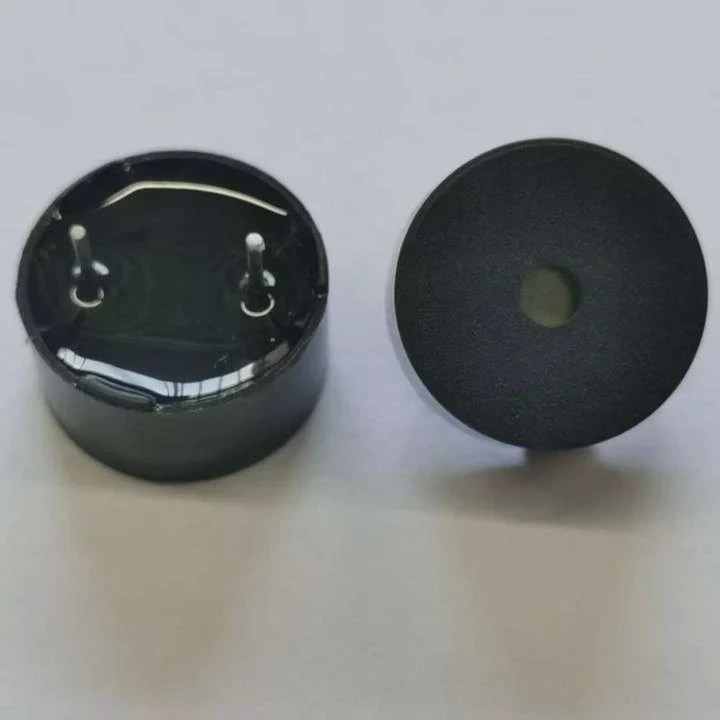
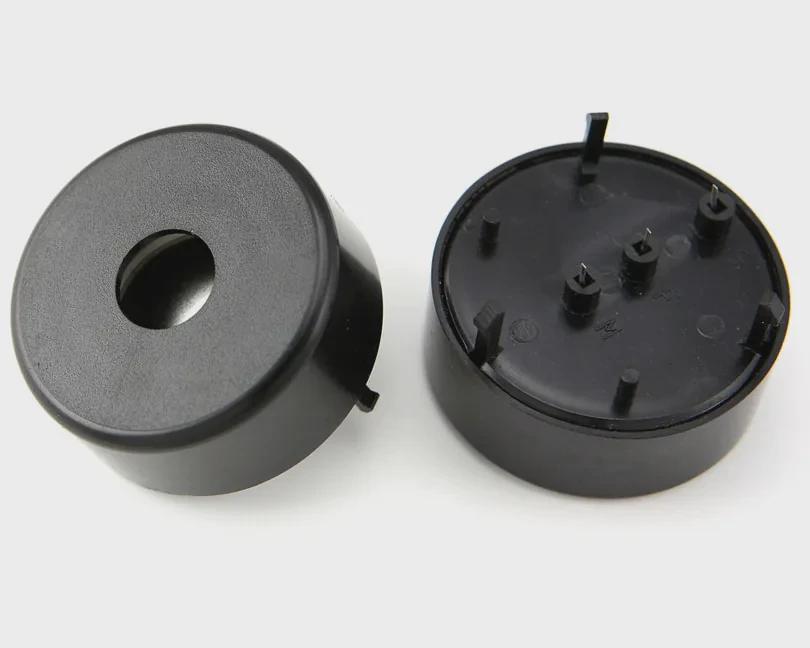
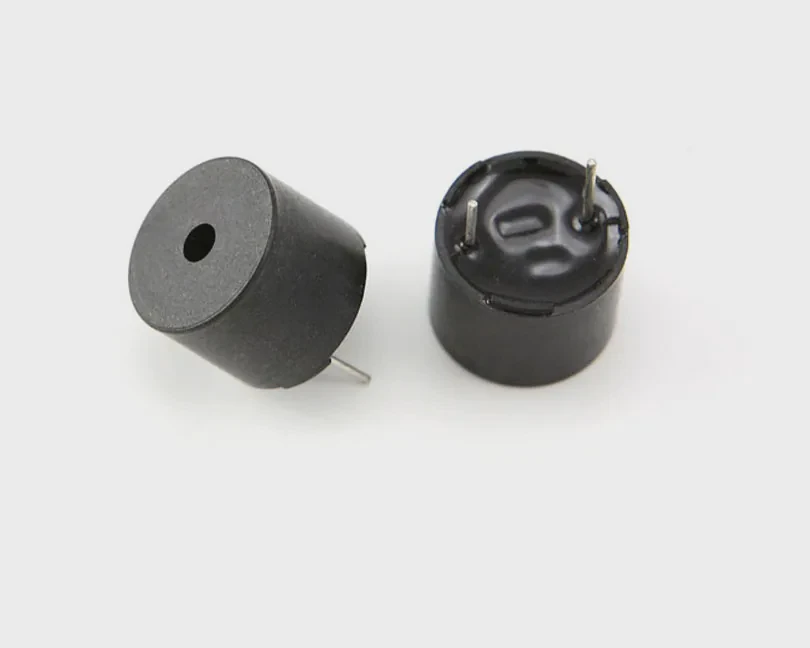
A direct circuit driven buzzer is an acoustic component that can produce sound by connecting directly to an external power circuit. It integrates the driving function inside the buzzer structure, which makes system design easier.
This article explains how direct circuit driven buzzers work, their common applications, their benefits, and how to choose the right model for electronic projects.
How Does A Direct Circuit Driven Buzzer Work?
A direct circuit driven buzzer works by receiving electrical power directly from the main circuit and converting electrical energy into sound energy. The internal driving circuit controls vibration and creates sound output.
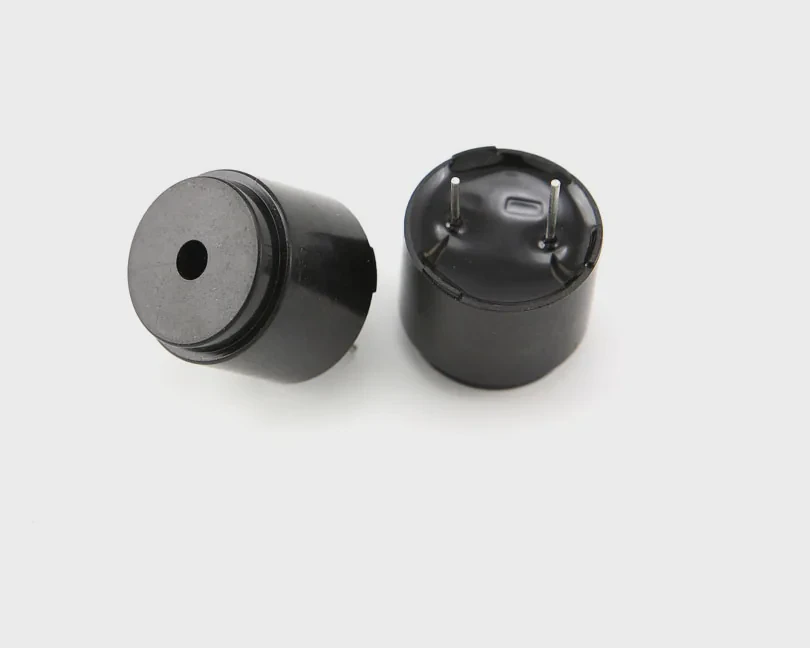
Unlike passive buzzers that need an external oscillating signal, direct circuit driven buzzers include an internal oscillator or driving circuit. This internal design allows the buzzer to generate sound after receiving a suitable voltage input.
The working process combines electronic control and mechanical vibration. The internal circuit first creates the correct driving signal. Then, the electromagnetic or piezoelectric structure converts this signal into physical movement. Finally, the vibration creates sound waves.
Basic Working Process
| Working Step | Description | Main Function |
|---|---|---|
| Power input | External voltage enters the buzzer | Supplies electrical energy |
| Internal circuit operation | Built-in driver creates control signals | Controls vibration frequency |
| Mechanical vibration | Internal structure moves | Generates sound |
| Acoustic output | Sound leaves the buzzer housing | Provides warning signal |
Internal Structure
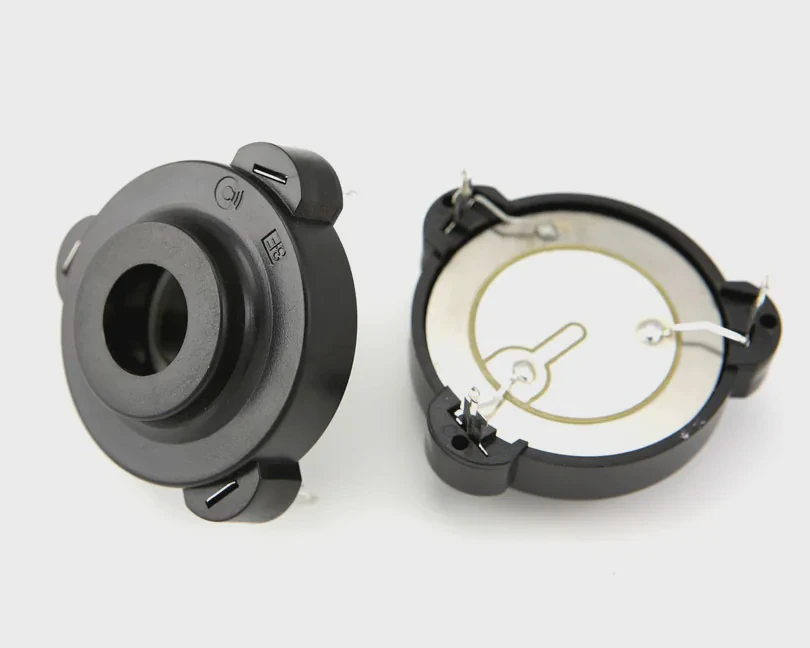
A direct circuit driven buzzer usually contains several important components:
- Driving circuit
- Electromagnetic coil or piezo element
- Diaphragm
- Permanent magnet
- Housing
- Electrical terminals
The internal driver is the key difference between direct drive buzzers and passive buzzers. It removes the need for an external oscillation circuit.
Direct Drive Technology Advantage
The biggest feature of a direct circuit driven buzzer is simple connection.
Engineers can connect the buzzer directly to the power supply or control circuit. This reduces:
- External components
- PCB space usage
- Circuit complexity
- Development time
For many electronic products, reducing the number of components helps improve reliability.
Performance Factors
The performance of a direct circuit driven buzzer depends on:
- Rated voltage
- Current consumption
- Sound pressure level
- Operating frequency
- Response speed
- Operating temperature
A suitable buzzer should match the electrical system. Incorrect voltage selection may reduce sound output or affect product lifetime.
When I discuss acoustic solutions with customers, I usually suggest reviewing the whole product design first. The buzzer is not an independent part. It must work well with the complete electronic system.
What Are Its Common Applications?
Direct circuit driven buzzers are widely used in electronic products that need fast and simple sound notification. Their built-in driving function makes them suitable for many applications.
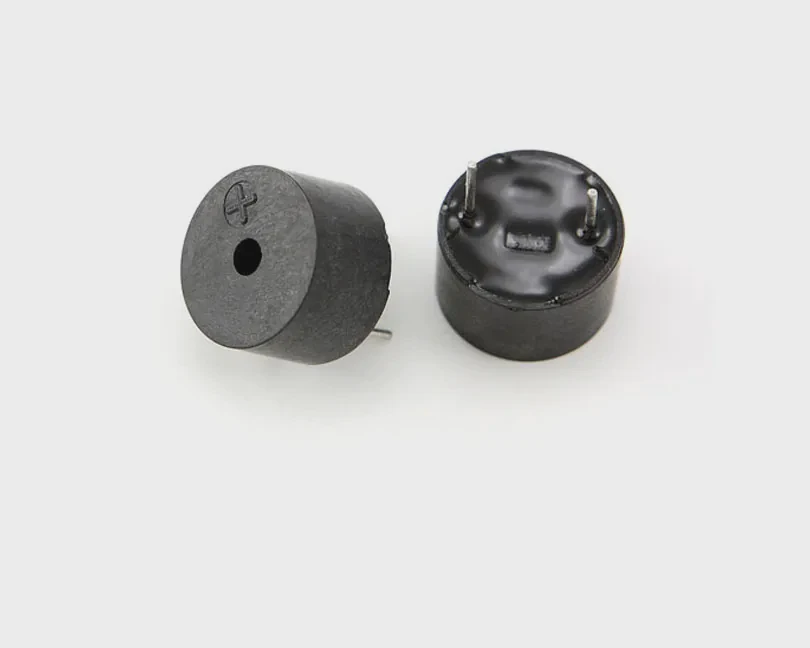
Many industries use direct drive buzzers because they provide easy installation and stable sound performance. They are especially useful in products where PCB space and design efficiency are important.
Common Application Fields
| Industry | Product Examples | Function |
|---|---|---|
| Consumer electronics | Smart devices and appliances | Status notification |
| Industrial control | Machines and controllers | Warning alerts |
| Security systems | Alarm equipment | Emergency signals |
| Medical equipment | Monitoring devices | User notification |
| Automotive electronics | Vehicle systems | Warning information |
Consumer Electronics
Consumer products often require small and efficient acoustic components.
Applications include:
- Smart home devices
- Electronic locks
- Kitchen appliances
- Timers
- Control panels
These products need simple user feedback. A direct circuit driven buzzer can provide sound signals without adding complicated circuits.
Industrial Equipment
Industrial equipment needs reliable warning systems. Operators depend on sound signals to understand machine conditions.
Direct drive buzzers can be used for:
- Equipment alarms
- Machine status signals
- Control cabinet warnings
- Production line notifications
Industrial environments often require long operating life. The buzzer needs to maintain stable performance under continuous use.
Security Systems
Security products require quick response. A clear sound alert helps users identify abnormal situations.
Applications include:
- Alarm systems
- Access control equipment
- Safety devices
- Monitoring systems
A direct circuit driven buzzer can simplify product design because it can connect directly with the control system.
Medical Devices
Medical products often require reliable notification functions.
Examples include:
- Monitoring equipment
- Testing devices
- Patient care systems
The sound output needs to remain stable because users depend on these alerts.
Automotive Electronics
Vehicles contain many electronic control systems. Acoustic components help provide information to drivers.
Applications include:
- Dashboard warning systems
- Vehicle control units
- Electronic modules
Automotive applications usually require strict quality control because products must operate under vibration and temperature changes.
What Are Benefits Of Direct Drive Buzzers?
Direct drive buzzers provide several advantages for modern electronic designs. They simplify circuits, improve installation efficiency, and provide reliable sound performance.
As electronic products become smaller and more intelligent, manufacturers need components that are easy to integrate. Direct circuit driven buzzers help engineers create efficient product designs.
Simple Circuit Design
One major benefit is the reduced circuit requirement.
Because the buzzer contains an internal driver, engineers do not need to design additional oscillation circuits.
This provides:
- Fewer electronic components
- Easier PCB layout
- Lower design complexity
- Faster development
A simpler circuit can also improve product reliability.
Easy Installation
Direct drive buzzers are designed for convenient integration.
Manufacturers can reduce assembly difficulty because the buzzer requires fewer supporting components.
Benefits include:
- Faster production process
- Lower assembly requirements
- Reduced manufacturing risk
This is especially useful for mass production.
Stable Sound Output
A built-in driving circuit helps maintain consistent sound performance.
Important advantages include:
- Stable frequency
- Reliable volume level
- Fast response
- Consistent operation
Stable output is important for products that depend on sound alerts.
Space Saving Design
Modern electronics require smaller components. Direct drive buzzers help save PCB space.
They are suitable for:
- Compact devices
- Portable electronics
- Smart equipment
- Embedded systems
Reducing component count allows engineers to create smaller products.
Lower Development Cost
A simplified design can reduce development effort.
Companies can save time because they do not need to create additional driving solutions.
This can help with:
- Faster prototyping
- Easier testing
- Shorter product development cycles
I often see customers choose direct drive buzzers because they want a balance between performance and design efficiency. A component that reduces system complexity can create long-term value.
How Do You Choose Direct Drive Buzzers?
Choosing the correct direct drive buzzer requires understanding electrical requirements, sound needs, installation conditions, and supplier capability.
A suitable buzzer should match the final product application. Selecting only based on price may create performance problems later.
Check Electrical Specifications
The first step is checking electrical compatibility.
Important parameters include:
| Parameter | Importance |
|---|---|
| Rated voltage | Ensures correct operation |
| Current consumption | Affects system power usage |
| Frequency | Controls sound characteristics |
| Sound pressure level | Determines alert strength |
| Operating temperature | Shows environmental ability |
The buzzer should work correctly with the product power system.
Evaluate Sound Requirements
Different products require different sound performance.
Engineers should consider:
- Required volume
- Sound frequency
- Continuous or intermittent operation
- Working environment
For example, an industrial alarm may require stronger output than a small consumer device.
Consider Product Size
Mechanical compatibility is also important.
Selection factors include:
- Diameter
- Height
- Mounting method
- Terminal type
- PCB space
A correct size helps avoid redesign.
Check Quality And Reliability
A reliable supplier should provide consistent products.
Important quality factors include:
- Material inspection
- Production control
- Acoustic testing
- Reliability testing
- Final inspection
High-quality production helps ensure stable performance during long-term use.
Consider Customization Capability
Some projects need customized solutions.
Customization options may include:
- Voltage adjustment
- Frequency tuning
- Housing modification
- Terminal changes
- Packaging requirements
OEM and ODM support can help customers develop products faster.
Supplier Support
Supplier experience is also important.
A good supplier should provide:
- Technical communication
- Sample development
- Production support
- Quality reports
- Stable delivery
I believe successful acoustic projects depend on cooperation. When customers provide clear application requirements, suppliers can recommend better solutions and reduce development problems.
Conclusion
Direct circuit driven buzzers provide simple, reliable, and efficient sound solutions for electronic products. Their built-in driving function reduces circuit complexity and improves product integration. Choosing the right buzzer helps create stable and competitive devices.