What Is AC Pin Buzzer?
- Union Team Electronics
- 07 Jul ,2026
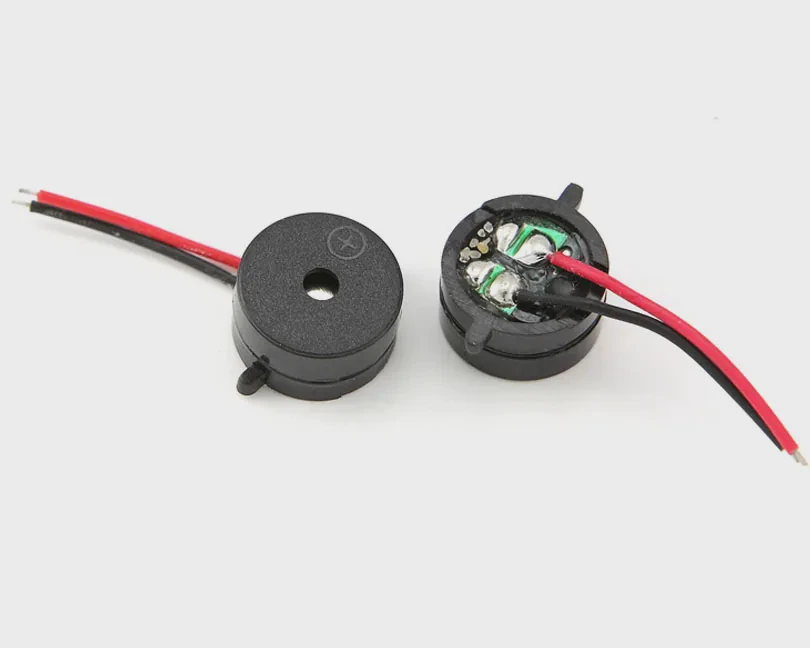
Many electronic devices need simple and reliable sound alerts. However, choosing the wrong buzzer type can create problems with installation, power matching, and product performance.
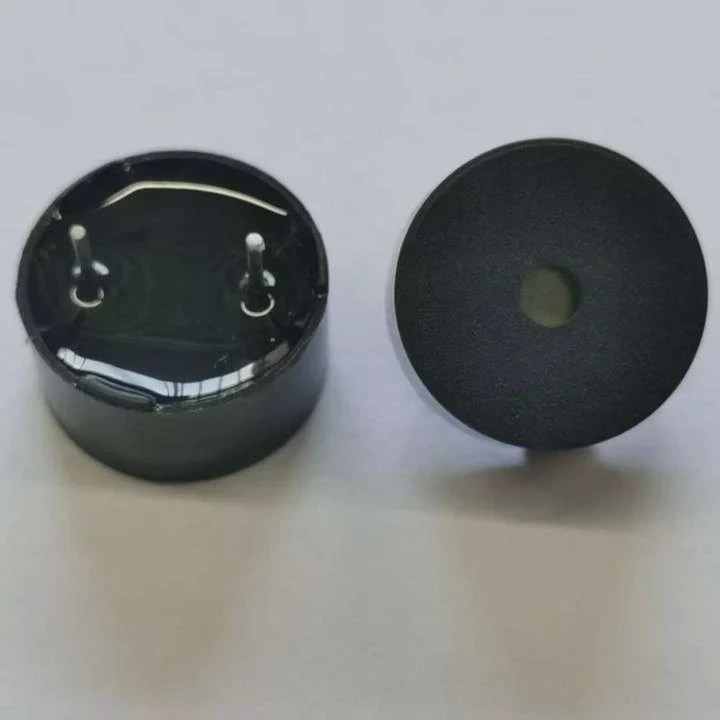
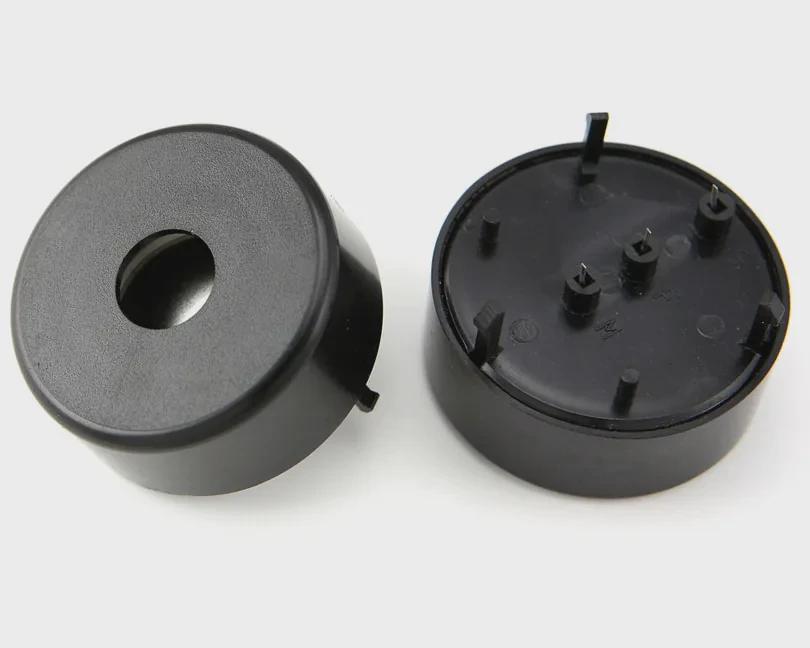
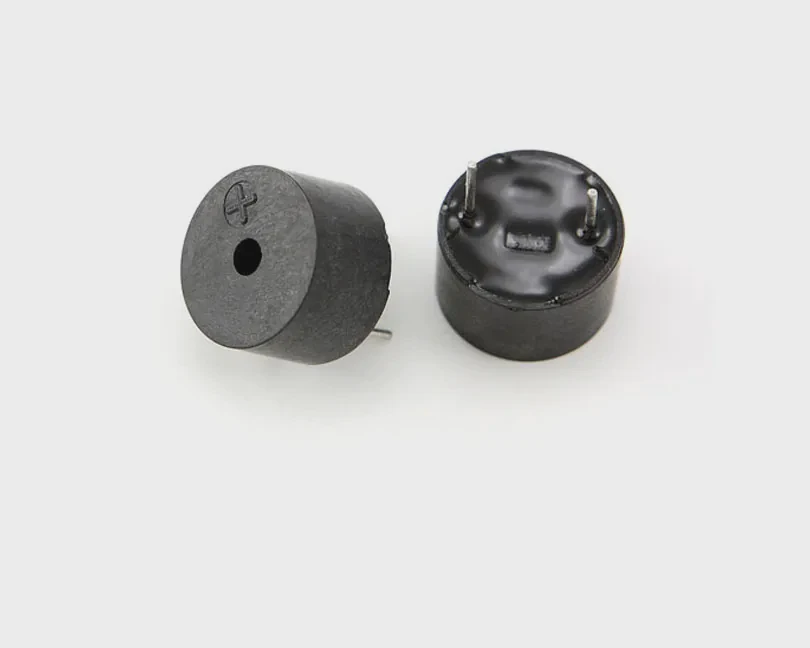
An AC pin buzzer is an acoustic component that works with an alternating current power supply to create sound signals. It uses electromagnetic technology to produce stable warning sounds for different electronic applications.
This article explains how AC pin buzzers work, where they are used, how they are different from other buzzer types, and what factors should be considered before selection.
How Does An AC Pin Buzzer Work?
An AC pin buzzer works by using electromagnetic vibration to generate sound. When an AC voltage signal passes through the internal coil, it creates a changing magnetic field that moves the diaphragm and produces sound.
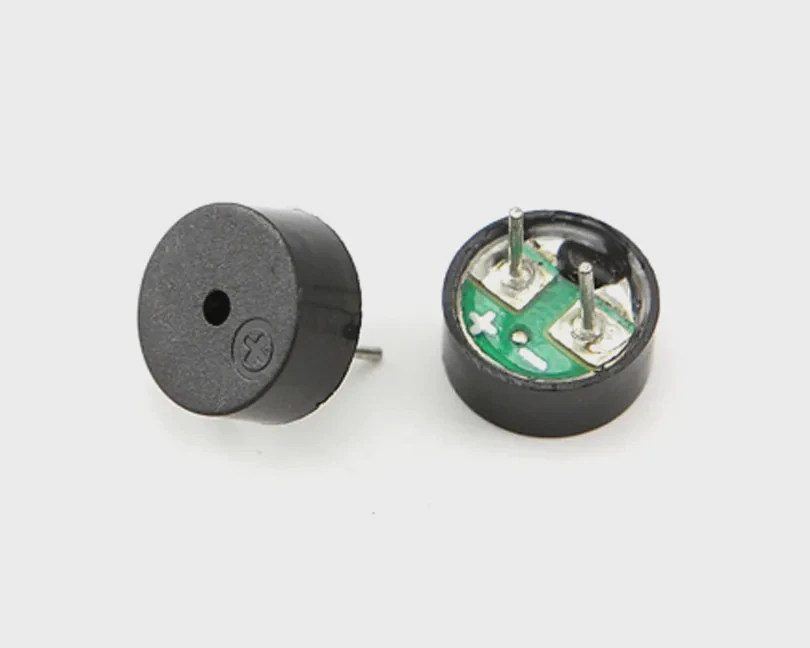
The working process of an AC pin buzzer is based on electromagnetic conversion. The electrical energy changes into mechanical movement, and the mechanical movement creates acoustic output.
Unlike some DC buzzers that need built-in driving circuits, AC pin buzzers can operate directly with an alternating current signal. This design makes them suitable for specific electronic systems.
Basic Working Process
| Working Stage | Description | Result |
|---|---|---|
| AC signal input | Alternating current enters the buzzer coil | Creates magnetic changes |
| Magnetic force generation | The coil interacts with the magnet | Produces vibration |
| Diaphragm movement | The diaphragm moves repeatedly | Generates sound waves |
| Sound output | The sound leaves the buzzer structure | Provides an alert signal |
Main Internal Structure
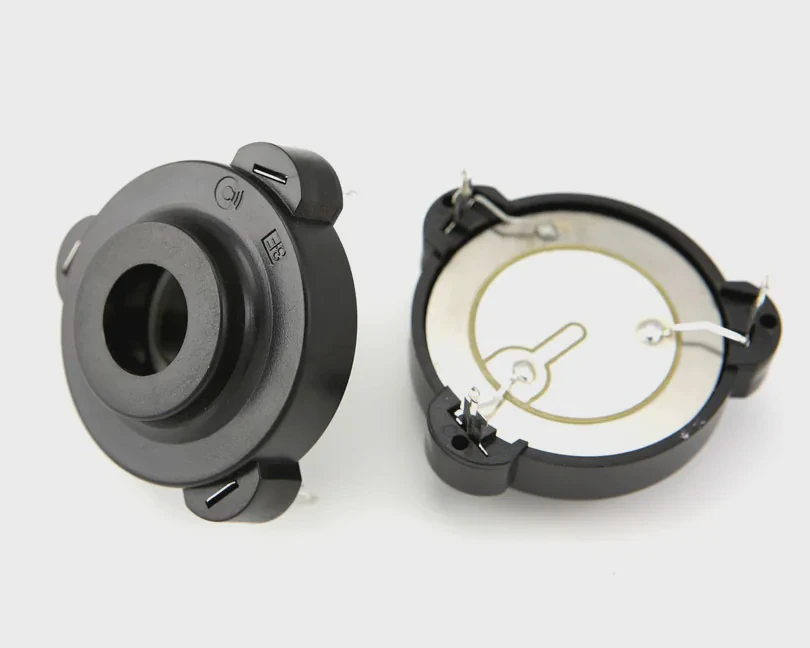
An AC pin buzzer usually includes several key parts:
- Electromagnetic coil
- Permanent magnet
- Diaphragm
- Housing
- Pin terminals
- Sound outlet
The electromagnetic coil creates the magnetic field. The permanent magnet provides the fixed magnetic force. The diaphragm converts vibration into sound waves.
The structure is simple, but every part affects sound performance. Material selection, assembly accuracy, and production control influence the final quality.
Why AC Input Design Is Important
AC pin buzzers are designed for systems that already provide alternating current signals. This can simplify circuit design because the buzzer does not always require an additional internal oscillator.
Main advantages include:
- Simple circuit connection
- Stable sound output
- Reliable operation
- Easy integration
However, engineers must confirm voltage and frequency compatibility before use. An incorrect AC signal may reduce performance or damage the component.
Performance Factors
The performance of an AC pin buzzer depends on several parameters:
- Rated voltage
- Operating frequency
- Sound pressure level
- Current consumption
- Operating temperature
- Product structure
When selecting an acoustic component, I usually recommend checking the complete system design. The buzzer should match the power source, installation environment, and expected working condition.
What Are AC Pin Buzzer Applications?
AC pin buzzers are used in many electronic systems that require clear warning sounds. Their simple structure and stable operation make them suitable for industrial, commercial, and consumer products.
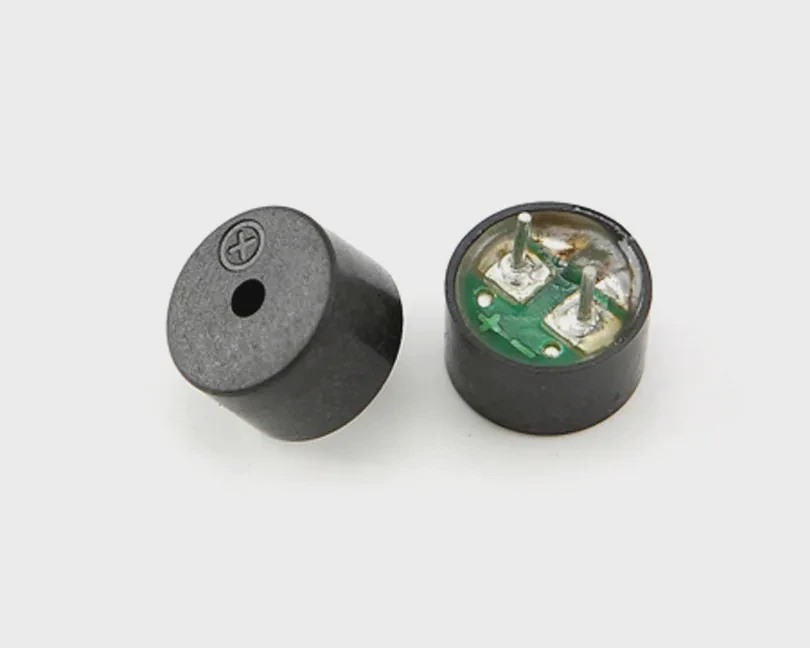
Many devices need sound feedback to inform users about operating status, errors, or safety conditions. AC pin buzzers provide a practical solution for these requirements.
Common Application Areas
| Application Field | Product Examples | Main Function |
|---|---|---|
| Industrial equipment | Control panels and machines | Operation warning |
| Security systems | Alarm devices | Emergency notification |
| Household appliances | Kitchen and home equipment | Status indication |
| Electrical equipment | Power systems | Fault warning |
| Control systems | Electronic controllers | Signal feedback |
Industrial Equipment
Industrial environments often require reliable warning components. Operators need clear signals to understand machine conditions.
AC pin buzzers can be used in:
- Factory equipment
- Control cabinets
- Automation systems
- Testing machines
- Production tools
Industrial applications usually require long operating life. A buzzer failure can affect equipment operation and user safety.
Security And Alarm Products
Security systems depend on fast and clear alerts. Sound signals help users notice abnormal situations quickly.
Applications include:
- Security alarms
- Access control systems
- Emergency equipment
- Monitoring devices
A stable buzzer output improves system reliability.
Household Appliances
Many household products use sound signals to improve user interaction.
Examples include:
- Washing machines
- Cooking equipment
- Timers
- Electronic controllers
The buzzer can inform users when an operation starts, finishes, or requires attention.
Electrical Control Systems
Electrical products often need warning signals for system status.
AC pin buzzers can provide alerts for:
- Voltage problems
- Equipment errors
- Operating conditions
- Safety notifications
Because these systems often operate continuously, reliability is an important requirement.
Commercial And Industrial Projects
Many OEM and ODM projects require customized acoustic components. Customers may need different sizes, sound levels, or terminal designs.
A supplier with engineering support can help customers create products that fit specific applications.
How Do AC Pin Buzzers Differ?
AC pin buzzers are different from other buzzer types because they are designed for AC power input and have unique operating characteristics. Understanding these differences helps engineers select the correct product.
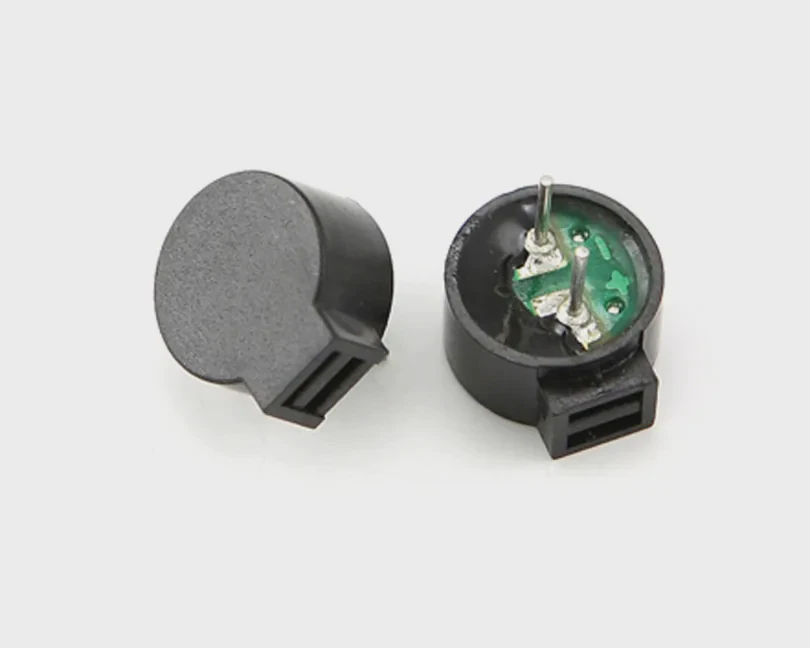
Different buzzers may look similar, but their internal structures and driving methods can be different. Choosing the correct type improves system performance and reduces design problems.
AC Pin Buzzer Compared With DC Buzzer
| Feature | AC Pin Buzzer | DC Buzzer |
|---|---|---|
| Power input | Alternating current | Direct current |
| Driving method | Uses external AC signal | Often uses DC drive circuit |
| Circuit design | Simple in AC systems | Requires suitable driving method |
| Application | AC-powered equipment | Battery and DC electronic products |
| Structure | Electromagnetic design | Electromagnetic or electronic design |
Different Driving Methods
The biggest difference is the driving signal.
An AC pin buzzer needs an alternating current signal. The changing current creates the magnetic movement needed for sound production.
A DC buzzer usually works with direct current. Some DC buzzers include internal circuits to create vibration automatically.
The correct choice depends on the product power system.
Difference In Product Design
AC pin buzzers often focus on:
- Simple structure
- Stable operation
- Easy connection
Other buzzer types may focus on:
- Low power consumption
- Compact SMD installation
- Programmable sound patterns
Each design has different advantages.
Application-Based Selection
Engineers should not choose a buzzer only by appearance. The application requirements are more important.
For example:
- Industrial AC equipment may benefit from an AC pin buzzer.
- Battery products may need a DC buzzer.
- Compact PCB designs may need an SMD buzzer.
The correct product choice improves reliability and reduces unnecessary development costs.
What Factors Affect AC Pin Buzzer Selection?
Selecting an AC pin buzzer requires evaluation of electrical, mechanical, and environmental requirements. A suitable buzzer can improve product performance and provide stable operation.
Before purchasing an AC pin buzzer, engineers should understand the product requirements. A component that works well in one application may not be suitable for another design.
Electrical Requirements
The first factor is electrical compatibility.
Important specifications include:
| Parameter | Why It Matters |
|---|---|
| Rated voltage | Ensures safe operation |
| Frequency | Affects sound characteristics |
| Current consumption | Influences power usage |
| Sound pressure level | Determines warning strength |
| Operating range | Shows system compatibility |
The buzzer must match the power source to achieve stable performance.
Sound Performance
Different products require different sound levels.
Engineers should consider:
- Required volume
- Sound frequency
- Continuous or intermittent operation
- Installation location
A factory alarm may require stronger output than a small household device.
Mechanical Design
The physical structure should fit the final product.
Important points include:
- Product size
- Pin spacing
- Mounting method
- Housing design
- Installation position
A correct mechanical match helps avoid redesign work.
Environmental Conditions
The working environment affects product lifetime.
Engineers should check:
- Temperature range
- Humidity conditions
- Vibration levels
- Dust exposure
- Long-term operation requirements
Products used in harsh environments need stronger reliability.
Supplier Capability
A reliable supplier should provide more than standard products.
Important supplier abilities include:
- Product customization
- Technical support
- Quality inspection
- Stable production capacity
- Fast sample development
For OEM and ODM projects, supplier cooperation is very important. Good communication can improve development speed and reduce production risks.
I often see that customers achieve better results when they share complete application information at the beginning. Clear requirements help suppliers recommend the right buzzer solution.
Conclusion
AC pin buzzers provide simple and reliable sound solutions for many electronic systems. Their AC operation, stable performance, and flexible applications make them useful for industrial and commercial products. Selecting the correct model helps improve product quality.