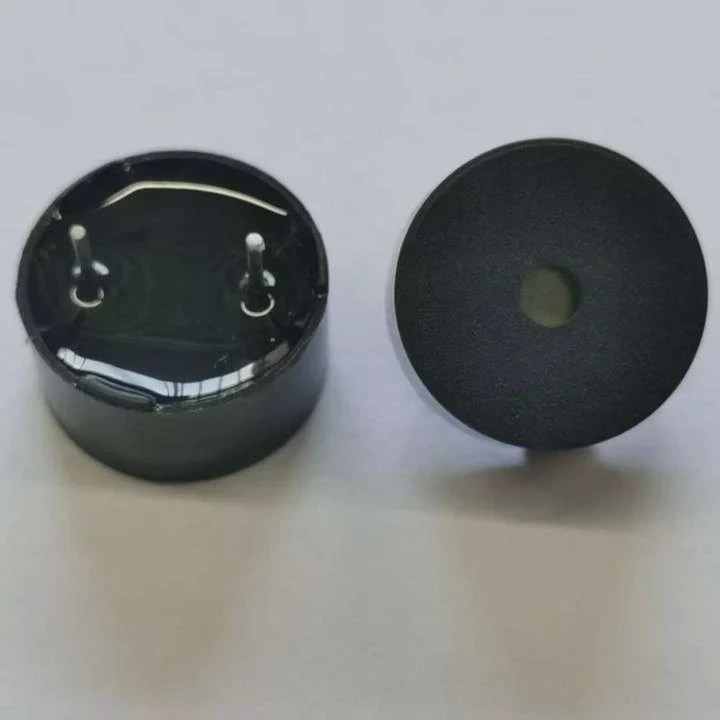
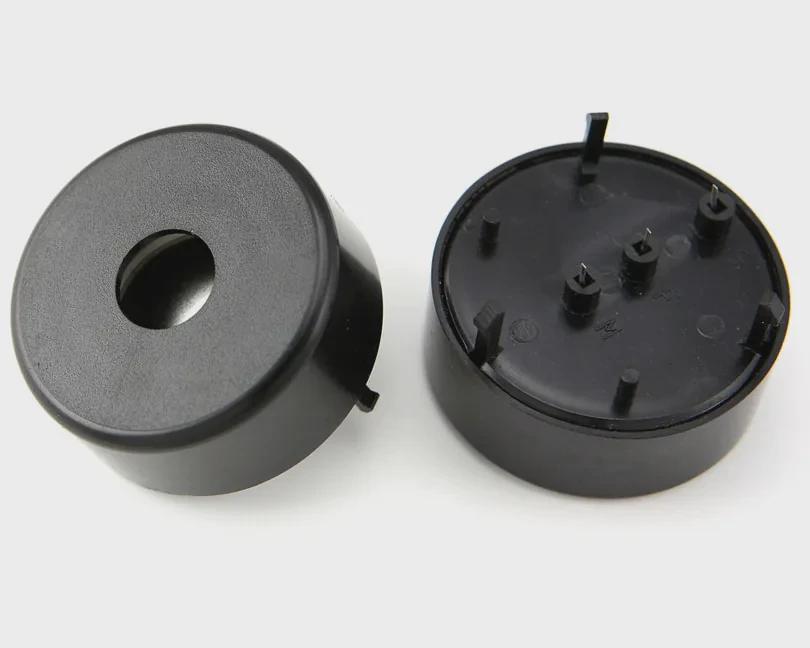
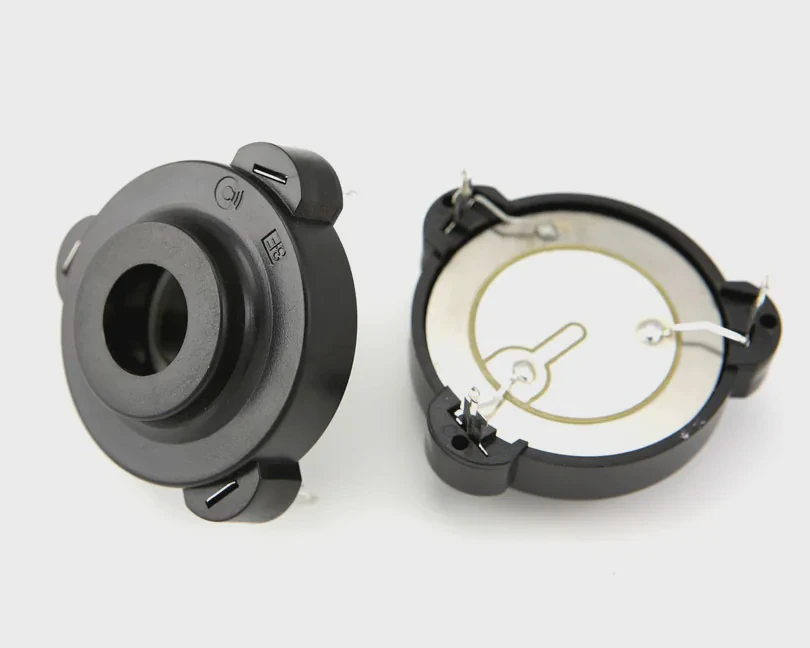
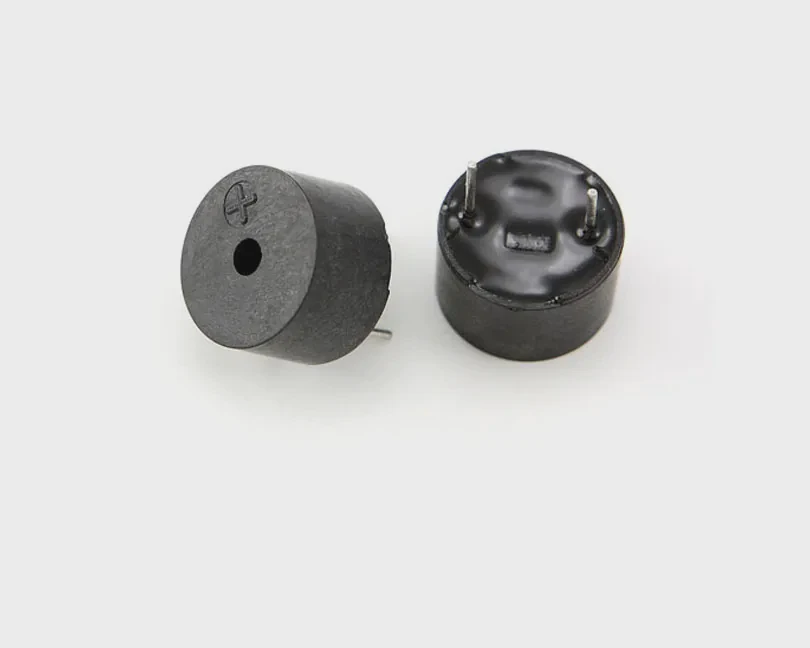
What Is High Ultrasonic Annunciator?
- Union Team Electronics
- 07 Jul ,2026
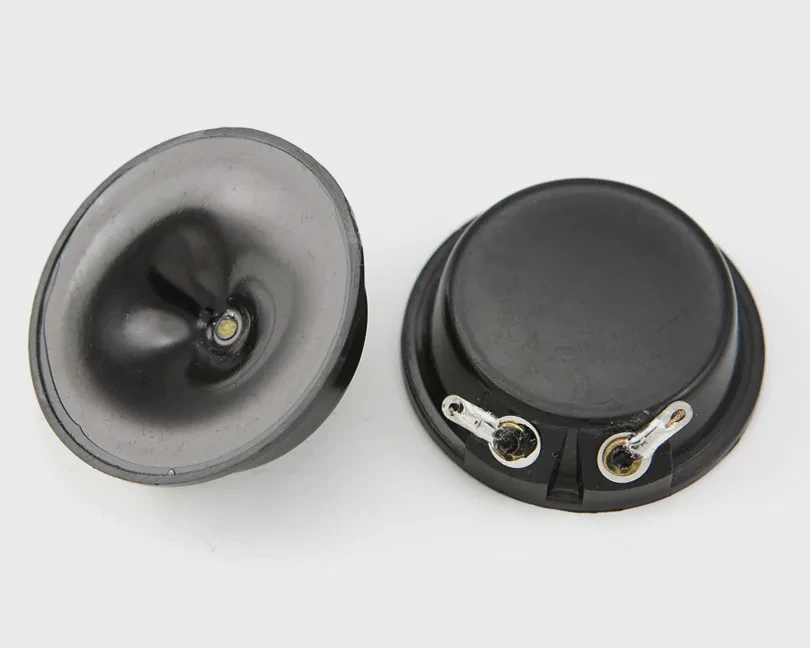
Many devices need clear warning sounds, but normal buzzers may not work well in noisy areas. I often see engineers looking for stronger and more reliable sound solutions.
A high ultrasonic annunciator is a device that uses ultrasonic technology to create high-frequency warning signals. It helps machines and systems send clear alerts with low power use and stable performance.
This article explains how high ultrasonic annunciators work, where they are used, how to choose the right model, and why many industries use them.
How Does A High Ultrasonic Annunciator Work?
A high ultrasonic annunciator works by converting electrical energy into high-frequency sound waves. The device uses internal materials and circuits to create strong ultrasonic signals.
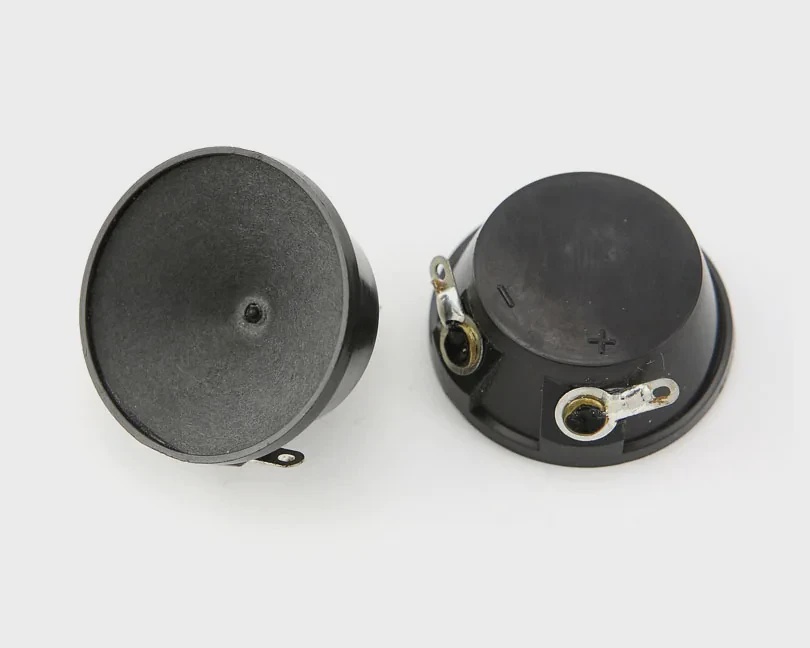
I understand that many engineers need simple explanations before selecting acoustic components. The working principle is based on vibration. When voltage is applied, the internal piezo element creates mechanical movement. This movement produces sound waves at a high frequency level.
Basic Working Process
The operation process usually includes several steps:
| Step | Working Process | Main Function |
|---|---|---|
| 1 | Electrical signal input | The circuit sends power to the annunciator |
| 2 | Piezo element vibration | The material changes electrical energy into mechanical vibration |
| 3 | Sound wave generation | The vibration creates ultrasonic sound |
| 4 | Signal output | The device sends a clear warning sound |
The piezo material is the key part of many ultrasonic annunciators. It can change shape when electrical energy passes through it. This physical change creates vibration. The vibration then produces sound.
The frequency range is higher than normal human hearing. However, many ultrasonic annunciators are designed to work with electronic systems that can detect or use these signals. Some models also create audible warning sounds for human users.
Why Frequency Matters
Frequency affects how the sound behaves in different environments. A higher frequency can provide accurate signal control and reduce interference with other sounds.
For industrial equipment, the signal needs to be stable. A weak or unclear warning sound can create safety problems. This is why manufacturers focus on:
- Stable frequency output
- High sensitivity
- Low power consumption
- Long operating life
- Reliable performance
When I work with customers who need acoustic solutions, I usually suggest checking the application environment first. The correct ultrasonic annunciator depends on the equipment design, noise level, and required signal distance.
What Are Common Uses Of Ultrasonic Annunciators?
Ultrasonic annunciators are used in many industries because they provide reliable signal output in compact designs. They are common in equipment that needs fast and clear alerts.
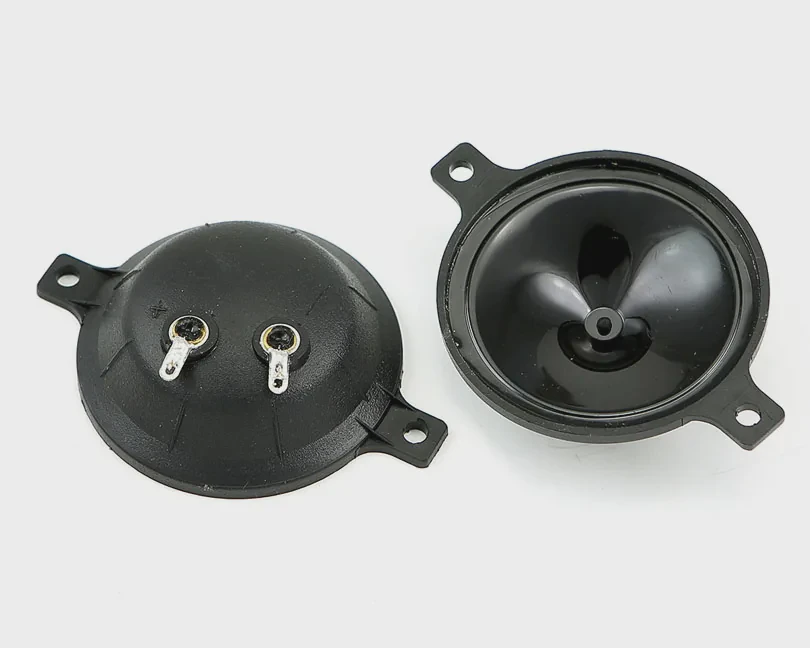
Ultrasonic annunciators are widely used in security systems, industrial equipment, smart devices, and automation products. They help users receive important information through sound signals.
Different industries have different requirements. Some need small size, while others need high reliability or long service life.
Main Application Areas
| Industry | Application Example | Product Requirement |
|---|---|---|
| Industrial control | Machine warning systems | Stable output and long life |
| Security equipment | Alarm devices | Fast response and clear sound |
| Smart home | Intelligent sensors | Small size and low power |
| Medical equipment | Monitoring devices | High reliability |
| Automotive systems | Vehicle warning systems | Strong durability |
Industrial Equipment
Industrial machines often work in environments with high noise levels. Operators need warning signals that can be noticed quickly. Ultrasonic annunciators can support these systems with stable signal performance.
Factories use them in:
- Control panels
- Safety alarms
- Automated machines
- Inspection equipment
- Production systems
A reliable warning component can help reduce operation mistakes. It also helps improve user experience.
Smart Devices And Electronics
Modern electronic products continue to become smaller. Designers need components that provide good performance without taking much space.
Ultrasonic annunciators can be used in:
- Smart sensors
- Security products
- Electronic locks
- IoT devices
- Portable equipment
The small structure allows engineers to create compact products while keeping good warning functions.
Automotive Applications
Vehicles use many acoustic components to provide information to drivers and passengers. Ultrasonic technology can support specific warning functions in automotive systems.
Automotive applications require strict quality control. Products need to handle temperature changes, vibration, and long operating periods.
When customers develop new projects, I usually see that they focus on three points:
- Product reliability
- Stable supply ability
- Long-term technical support
These factors are important because acoustic components often become part of the final product system.
How Do You Choose An Ultrasonic Annunciator?
Choosing the right ultrasonic annunciator requires careful evaluation of product design, environment, and performance needs. A suitable model can improve system reliability and reduce future problems.
I believe component selection should start from the real application instead of only looking at price. Engineers need to check technical parameters, production ability, and supplier support.
Important Selection Factors
When selecting an ultrasonic annunciator, I recommend checking the following areas:
Frequency Performance
The frequency range should match the system requirements. Different applications may need different signal characteristics.
Size And Installation Method
Space is often limited in electronic products. Designers should check:
- Product diameter
- Product height
- Mounting method
- Terminal design
- PCB compatibility
A compact component can make product design easier.
Electrical Parameters
Electrical performance directly affects system operation. Important parameters include:
| Parameter | Why It Matters |
|---|---|
| Rated voltage | Determines power compatibility |
| Current consumption | Affects energy efficiency |
| Frequency | Controls signal characteristics |
| Sound pressure level | Defines warning strength |
| Operating temperature | Shows environmental ability |
Quality And Reliability
A supplier should have strong quality control processes. Acoustic components need consistent performance because small changes can affect the final product.
Important quality checks include:
- Incoming material inspection
- Production process inspection
- Final performance testing
- Reliability testing
- Environmental testing
Custom Development Capability
Many projects need customized solutions. Standard products may not always fit special requirements.
Customization can include:
- Size adjustment
- Frequency tuning
- Sound output adjustment
- Connector changes
- Housing design
- Packaging requirements
A supplier with OEM and ODM capability can support customers from early design to mass production.
I often find that successful projects depend on communication. When engineers share detailed application information early, the development process becomes faster and smoother. Good technical discussion helps avoid problems during later production stages.
What Are Benefits Of High Ultrasonic Annunciators?
High ultrasonic annunciators provide strong signal performance, compact design, and reliable operation. They are useful for many electronic systems that need effective warning solutions.
High ultrasonic annunciators offer advantages in many applications because they combine advanced sound technology with practical product design. They help manufacturers create safer and smarter devices.
Strong Signal Output
One major benefit is clear signal performance. A strong output helps users recognize important alerts quickly.
This is valuable in:
- Industrial environments
- Security systems
- Automated equipment
- Smart devices
A clear warning signal improves communication between machines and users.
Low Power Consumption
Many modern products require energy-efficient components. Ultrasonic annunciators can work with low power designs, which helps extend battery life.
Battery-powered devices benefit from:
- Lower energy use
- Longer operation time
- Better system efficiency
Small And Flexible Design
Electronic products continue becoming smaller. Components must follow this trend.
High ultrasonic annunciators provide:
- Compact structure
- Easy installation
- Flexible application options
- Good design compatibility
This makes them suitable for portable and smart electronic products.
Long Service Life
Reliability is important for industrial and commercial equipment. A quality ultrasonic annunciator can provide stable performance over long periods.
Manufacturers usually focus on:
- Material quality
- Production accuracy
- Performance testing
- Environmental resistance
Support For Modern Technology
As industries develop, more devices require intelligent warning systems. Ultrasonic annunciators can support these changes.
They can be integrated into:
- Automation systems
- Smart home products
- AI equipment
- Industrial IoT devices
I see more customers paying attention to reliable acoustic solutions because sound functions are becoming more important in modern products. A small acoustic component can have a big impact on the final user experience.
Conclusion
High ultrasonic annunciators provide reliable sound solutions for many industries. They combine strong performance, low power use, and flexible design. Choosing the right product helps create safer and smarter electronic systems.
- Pre Sorry!
- Next: What Is Ultrasonic Speaker?