Products Details
| Type | Other |
| Material | NiCo |
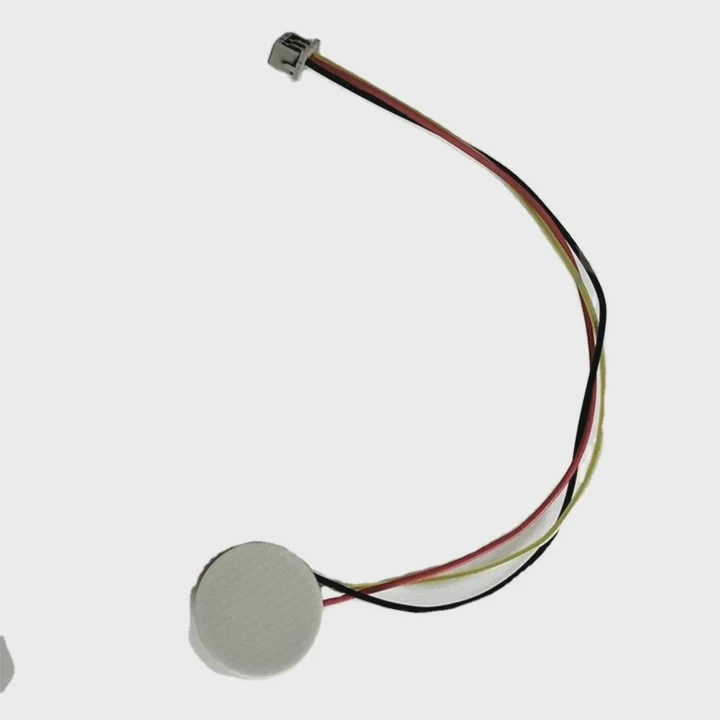
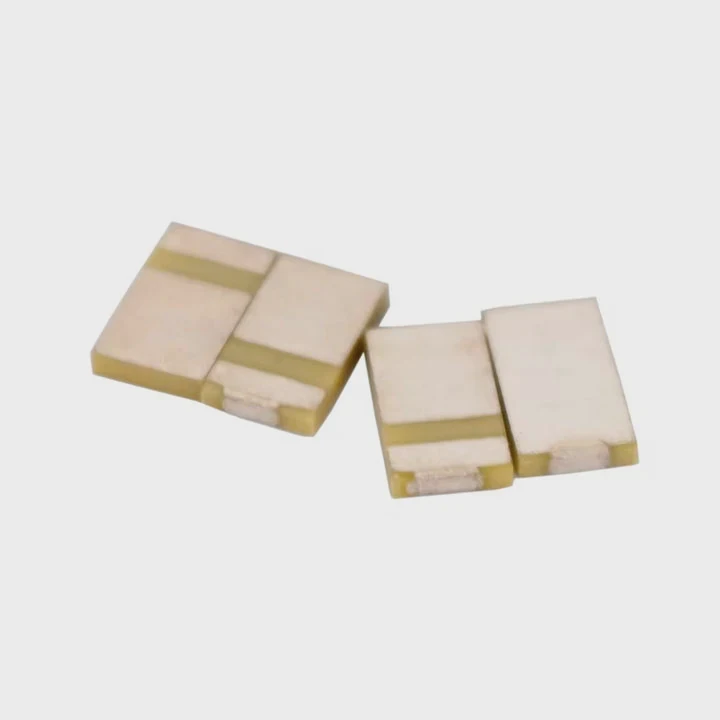
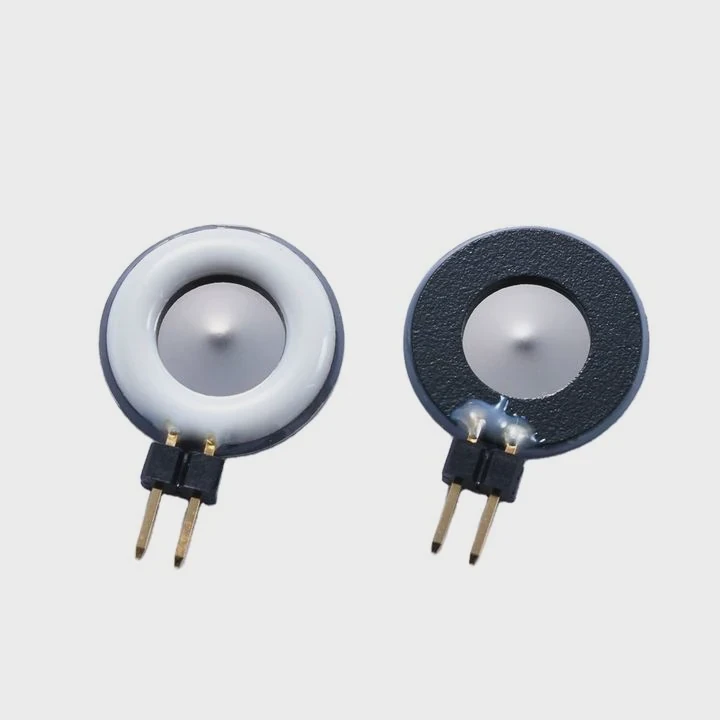
| Product name | Nozzle Plates-300-N (3um) |
| Size | 1.59±0.01 |
| Characteristic | Long working life /Low noise |
| Advantage | 25 years experience in the semiconductor industry |
| MOQ | 10 |
FAQ
1. What is an ultrasonic piezo nozzle plate?
An ultrasonic piezo nozzle plate is a piezoelectric component used in ultrasonic nozzle systems for precise fluid atomization and controlled spray output.
2. How does a piezo nozzle plate work?
A piezo nozzle plate uses high-frequency piezoelectric vibration to help create uniform droplets and stable ultrasonic spraying.
3. What industries use ultrasonic piezo nozzle plates?
Ultrasonic piezo nozzle plates are used in coating, printing, semiconductor, medical, and precision fluid dispensing applications.
4. Why choose an ultrasonic piezo nozzle plate?
An ultrasonic piezo nozzle plate offers precise atomization, consistent spray performance, and efficient fluid control for industrial use.
5. Is the ultrasonic piezo nozzle plate suitable for OEM systems?
Yes, the ultrasonic piezo nozzle plate is well suited for OEM ultrasonic spray systems and custom industrial equipment.
6. What are the benefits of piezoelectric nozzle plates?
Piezoelectric nozzle plates provide accurate droplet control, repeatable atomization, and improved efficiency in ultrasonic nozzle applications.
7. Can an ultrasonic piezo nozzle plate improve coating quality?
Yes, an ultrasonic piezo nozzle plate helps deliver uniform spray patterns that support smooth and consistent coating quality.
8. Does this nozzle plate support fine spray applications?
Yes, the ultrasonic piezo nozzle plate is designed for fine spray, micro-dispensing, and precision atomization needs.
9. What makes a piezo nozzle plate reliable for manufacturing?
A piezo nozzle plate is reliable for manufacturing because it supports stable operation, consistent output, and efficient ultrasonic performance.
10. How do I choose the right ultrasonic nozzle plate?
Choose an ultrasonic nozzle plate based on frequency, fluid type, spray volume, and OEM system compatibility.